By Kyle Gibson
Whilst I’ve dabbled in being versatile with my deck choices such that I can play the flavour of the month underpointed cards, I find myself coming back to blue based midrange decks. So after a middling CanCon it was back to my beloved midrange piles. But I wasn’t particularly interested in just picking up a stock version of Grixis and grinding out 74 card mirrors.
The increase in prevalence of Grixis and its predator Eldrazi motivated me to look for ways to get an edge in these matchups. In the past I’ve looked to splash white for the efficiency of its removal spells and how well they line up into the Grixis threats. However, in the case of Eldrazi, it isn’t the efficiency of the removal that’s the cause of the issue, but rather a fundamental mismatch in game plans that causes strife.
So instead of adding a colour, I started looking into removing one.
The Red Side of the Moon
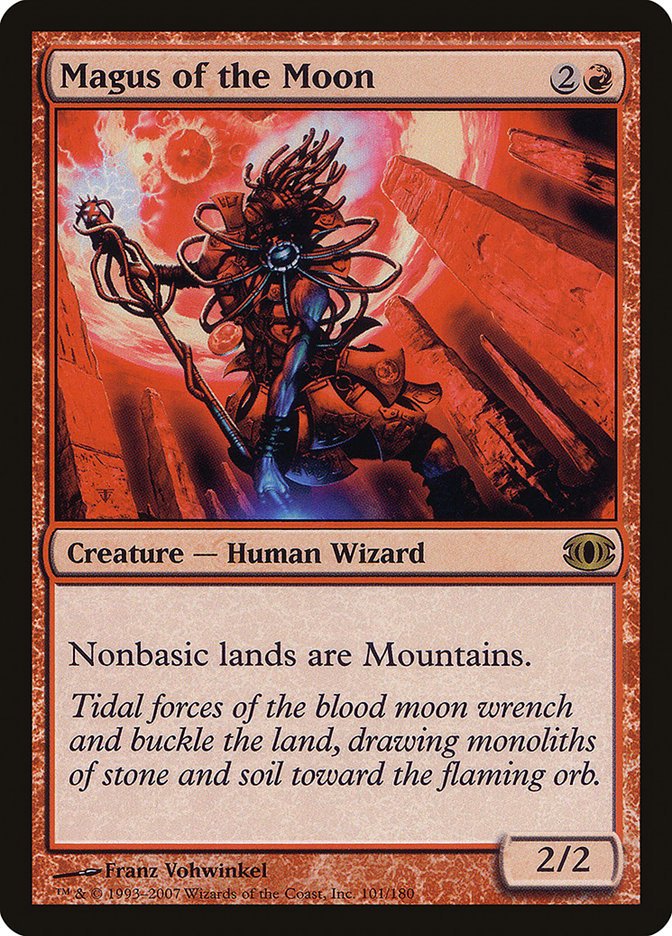
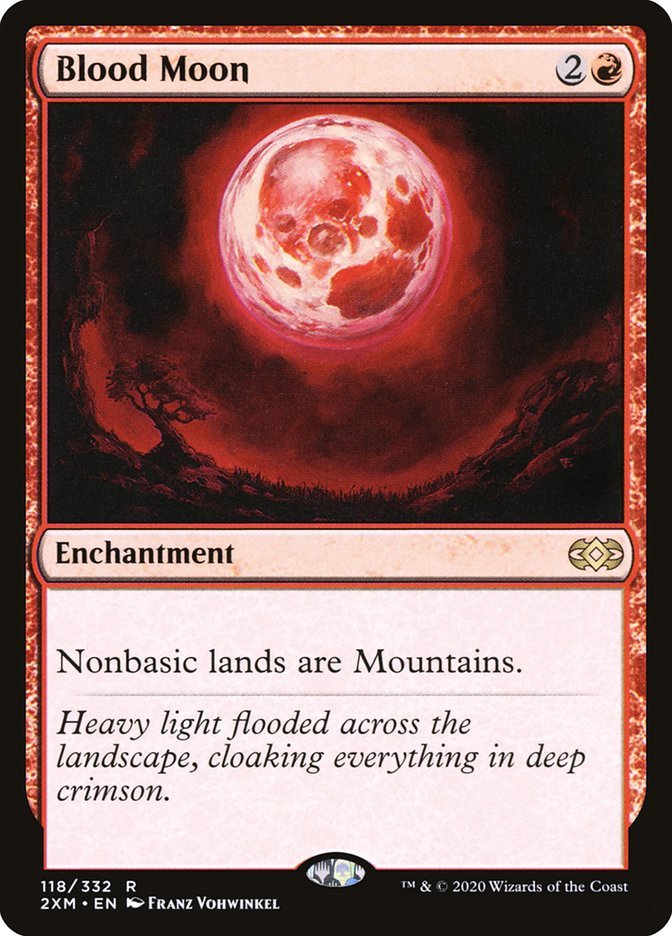
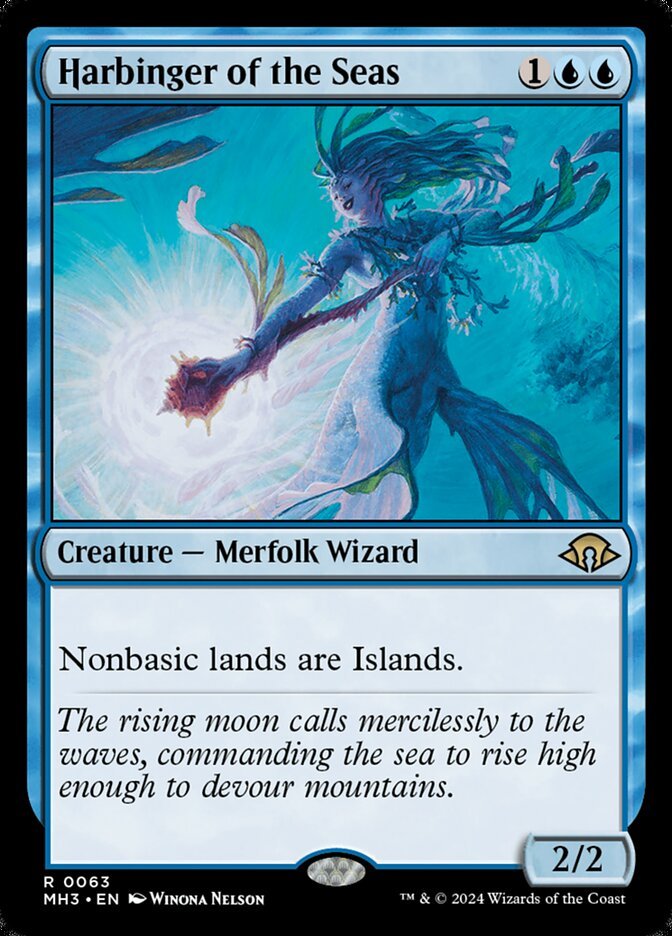

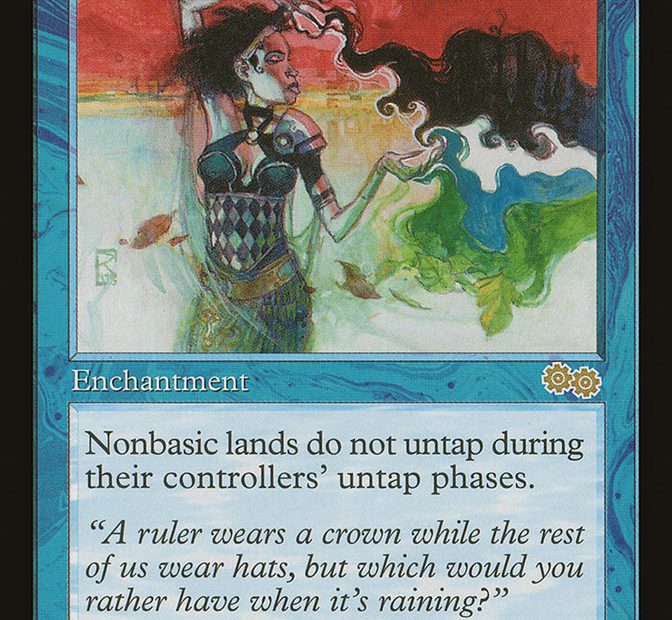
Blood Moon, Magus of the Moon, Harbinger of the Seas, and Back to Basics. These cards can almost single-handedly win games against not only Grixis and Eldrazi, but against many 7PH decks by shutting them out of being able to cast their spells.
Blue Moon has been a deck present in 7PH for a long time and looks to execute this exact idea. However, these decks are generally controlling in nature. My experience playing both with and against Blue Moon has been that because modern day threats in magic are so good and can similarly win games on their own, you can’t rest on your laurels after resolving your moon. Even a single threat slipping through the cracks is enough to invalidate your plan. Whilst this is my opinion of Control decks in highlander in general, it does colour how I want to view Moon effects as proactive threats rather than controlling lock pieces.
So it seemed the next logical step was to try and build a more proactive version of Blue Moon. However, I struggled to get to an Izzet list that I was happy with. Primarily, the available interactive pieces and follow up threats were not strong enough and I found myself filling out the deck with the controlling cards I was trying so hard to avoid.
Taking the Black
Unwilling to give up on playing Blue cards, the alternative was to cut Red in favour of Black. Whilst initially outlandish, to try to build a Blue Moon deck without Blood Moon, Black cards do have a lot of selling points.
The current landscape of 7PH is dominated by high toughness creatures and so Red damage-based removal spells have become less effective. In comparison the removal suite offered by Black provides more definitive answers.


On top of the removal lining up better against current threats, Black offers an additional axis of interaction in the form of discard spells. Continuing the trend of trying to produce a more proactive gameplan, discard spells provide a cheap method for shaping the direction of the game towards the texture of your hand. Removing an opposing threat, or removing the answer to your upcoming threat can be game-defining. For Dimir Moon specifically, following a similar principle to combo decks, discard spells provide the utility of checking when the coast is clear to resolve your game winning threat.
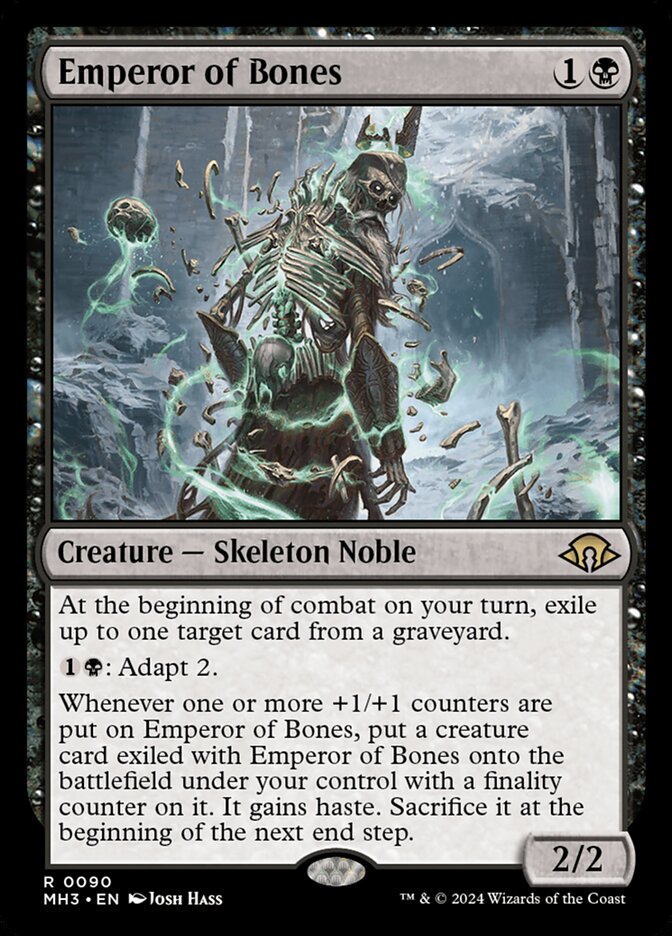
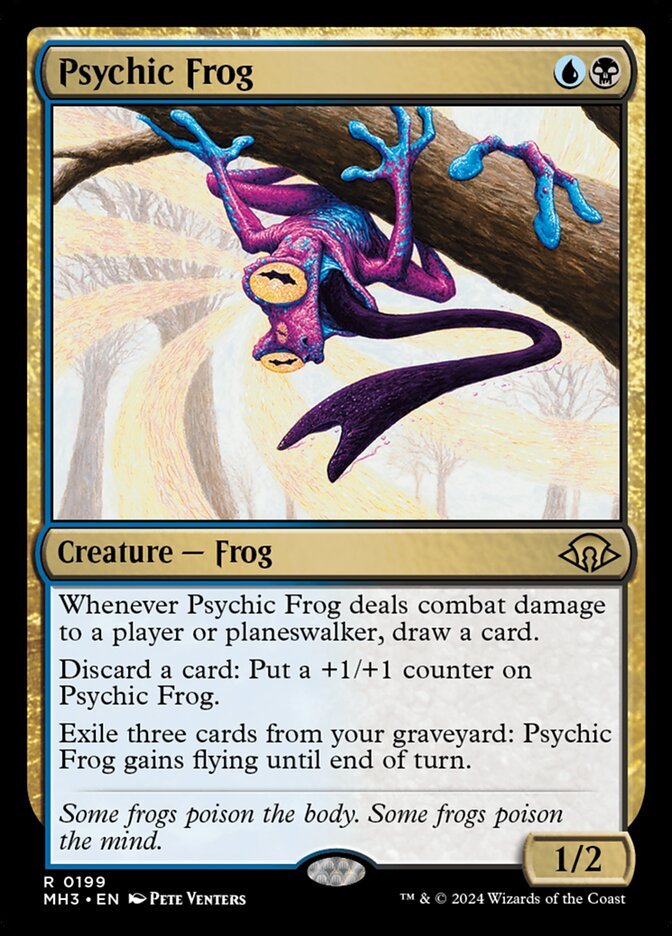

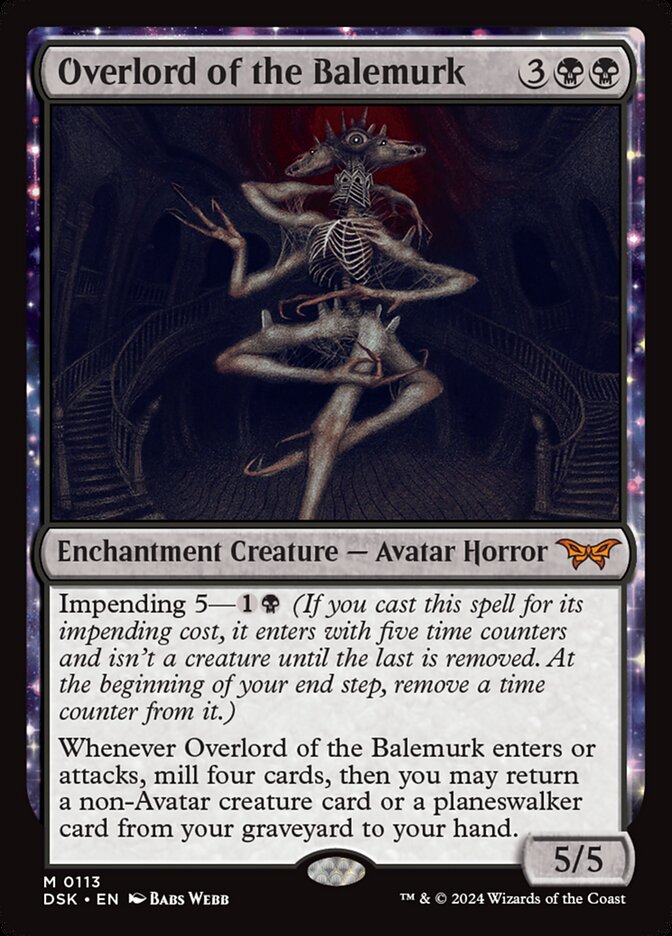
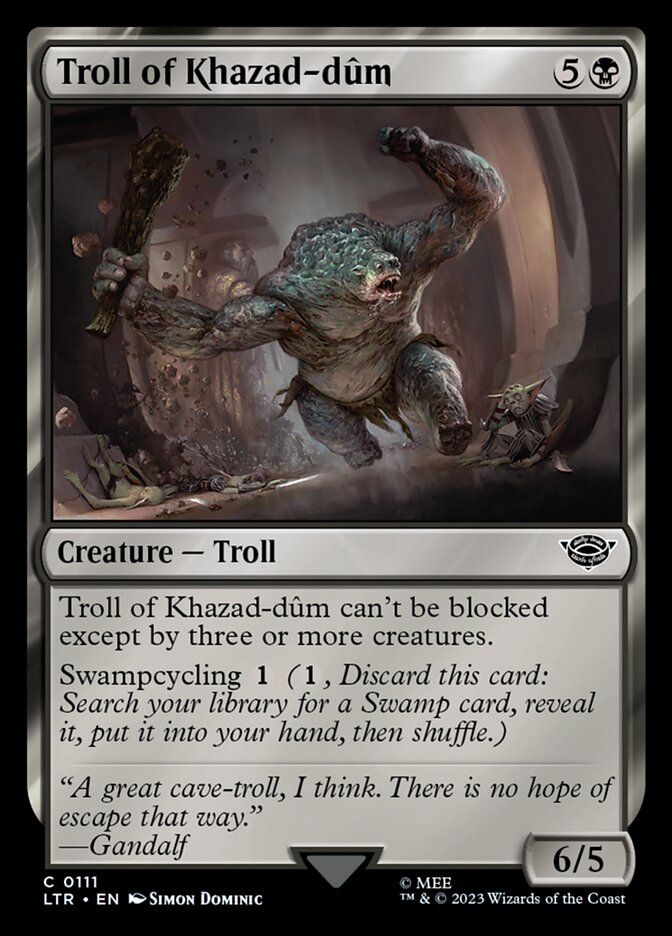

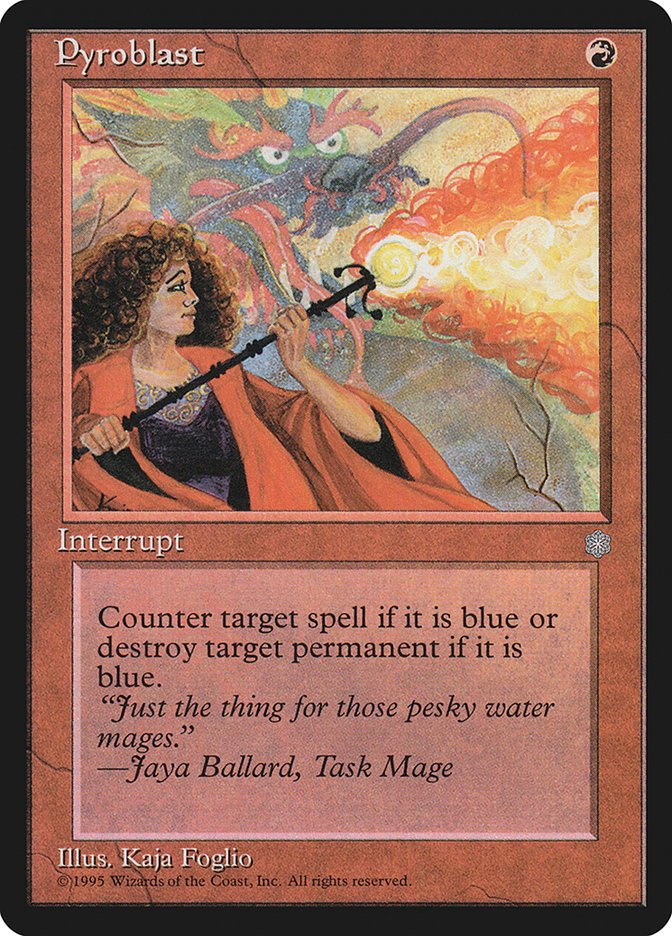
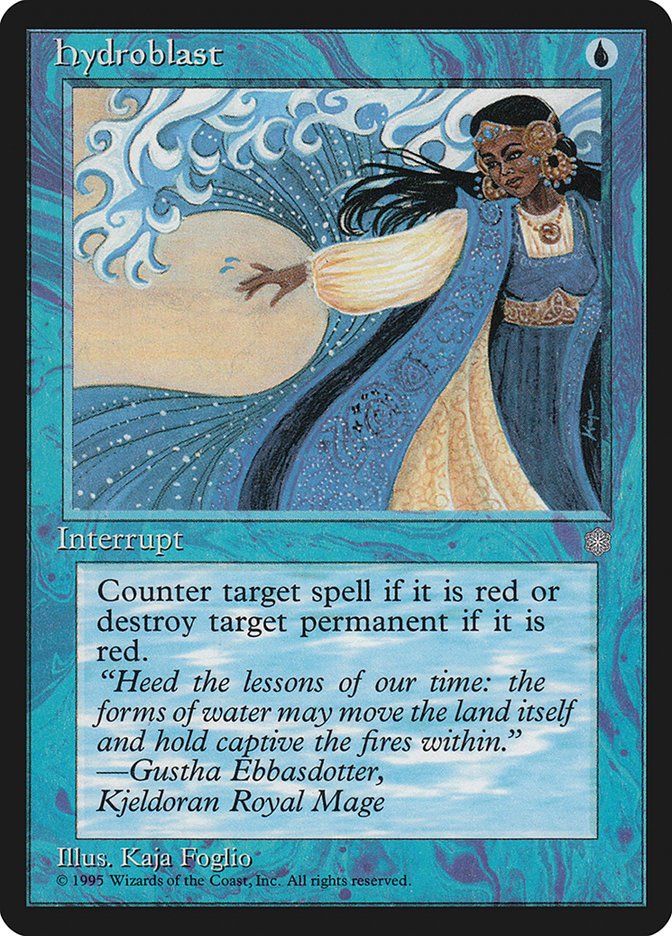
Whilst forgoing Red cards results in losing Moon effects three and four, the offerings of Black more than make up for this. The Black creatures such as Emperor of Bones, Psychic Frog, Barrowgoyf, Overlord of the Balemurk and Troll of Khazad-dûm in conjunction with Reanimate provides a more cohesive graveyard centric gameplan. This then supplements the Blue delve cards that are some of the format’s most prominent threats. These creatures are more reliant against the commonly played damage-based removal, whilst threatening to close out a game in fewer turns. Additionally, investing into Black threats helps mitigate the weakness that traditional Izzet decks face against the most commonly played sideboard cards in the format; Red Elemental Blast, Blue Elemental Blast, Pyroblast and Hydroblast.


Eight-armed and Dangerous
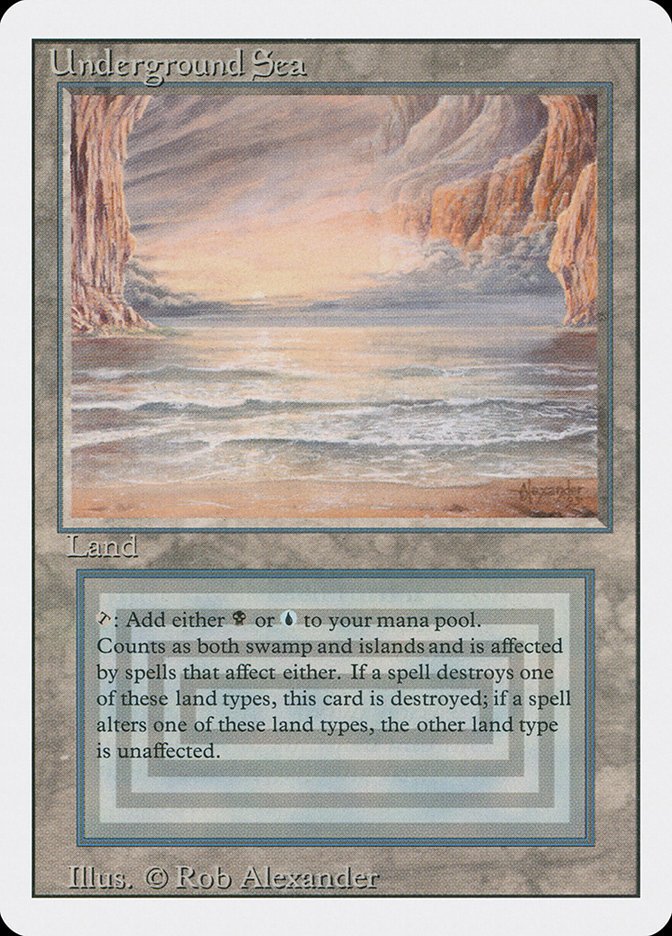
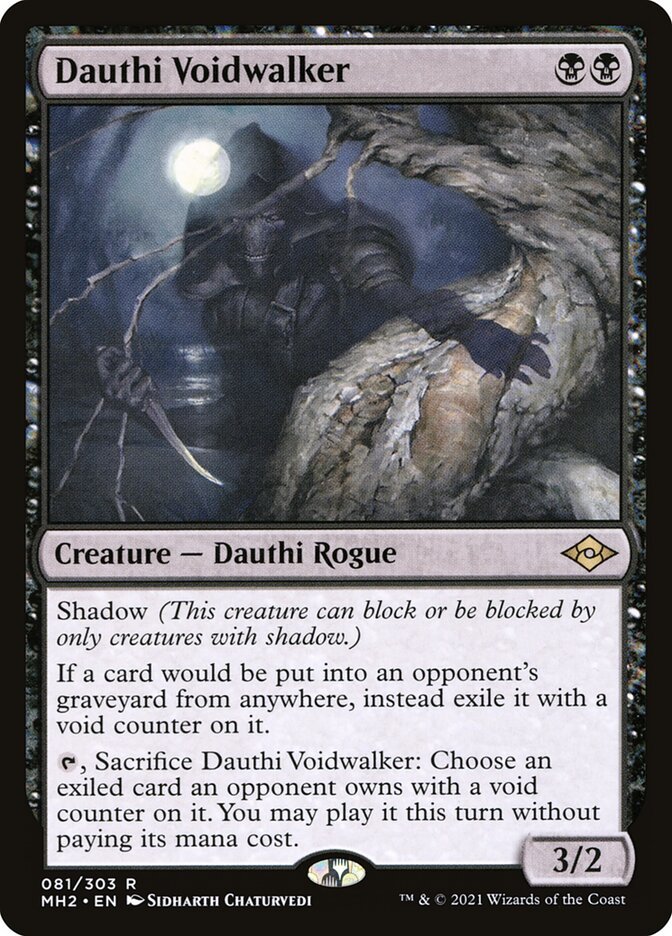
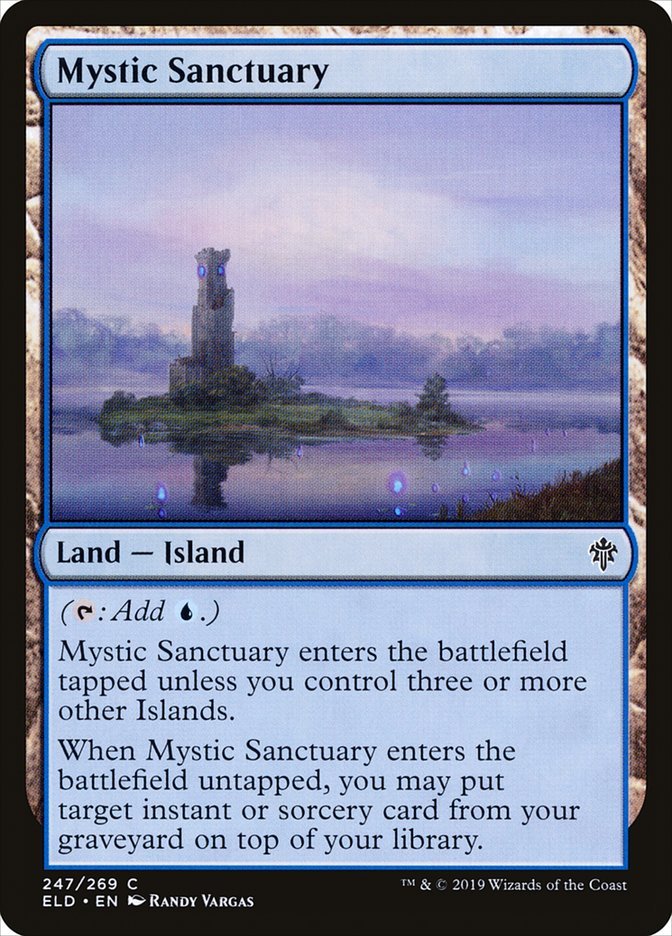
Whilst it’s true that as a Back to Basics deck there’s a lesser need for the ABUR dual lands, there are still costs to playing with an eighth point. The most hindering of these costs is the inability to have double black on turn two whilst maintaining all Islands to curve into turn four Mystic Sanctuary. The consequence of this is that Dauthi Voidwalker, a card that I’d normally be excited to have, had to be cut.
Missing out on Underground Sea does result in fewer targets for the Black fetchlands and Troll of Khazad-dûm. Zagoth Triome is an option to add another Swamp that works with Mystic Sanctuary, but I am generally unexcited about Triomes in the era of surveil lands. Hedge Maze, whilst not a Swamp, does give Verdant Catacombs an extra target to mitigate this problem, and has the additional utility of benefiting Deathrite Shaman. For this reason Breeding Pool also has merit, however I think the play patterns of a second off-colour surveil land are better.
It’s worth noting too that there is a higher cost to add these to the mana base as any non basic is at odds with Back to Basics and Harbinger of the Seas. My latest thought on this is that perhaps the solution is to cut a black fetch. However I’m not confident that the scenarios of missing a target outweigh the ability to search for surveil lands and put an extra card in the graveyard for delve threats.
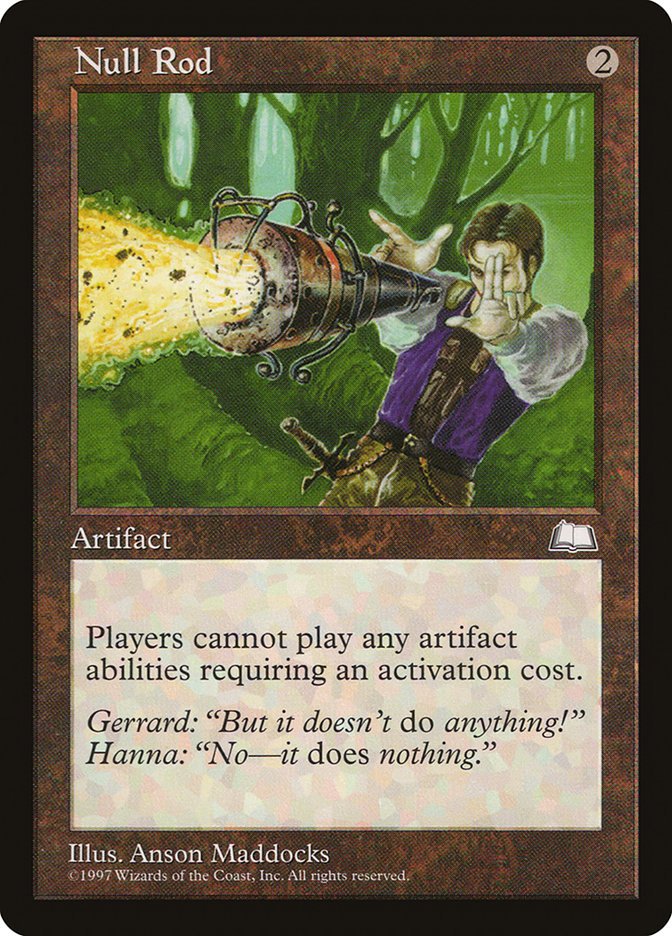
The only other impact felt by the accessibility rule is the absence of Null Rod. However, for any given tournament there will only be a few people where Null Rod would have been sided in. This leads to only a few matches where you get paired into them, fewer games still where you would draw it, and even fewer still where the difference between Null Rod and the replacement card will have made a difference.
I believe the eighth point provided by the accessibility rule outweighs these factors. And I think the best use of these points in a midrange shell is to spread them out across eight single-pointed cards. This is seen in that the first seven points utilised in this list; Force of Will, Deathrite Shaman, Reanimate, Tamiyo, Inquisitive Student, Psychic Frog, Orcish Bowmasters, and Murktide Regent were amongst the top ten most played pointed cards at the most recent Highlander World Championships. The final point is more contentious, however I believe the speed at which Abhorrent Oculus closes out a game justifies its place. Depending on the pilot’s preferred playstyle, the most promising alternatives worth considering are Nethergoyf, Dig Through Time, and Snapcaster Mage.
Choices

An underlying principle throughout this deck building process was that if I was trying to get an edge on Grixis, I couldn’t start playing cards significantly below the standard for 7PH under the pretense of Harbinger of the Seas and Back to Basics carrying the matchup. The goal was to match them as much as possible in the midrange game, with Harbinger of the Seas and Back to Basics providing two additional potent game winning threats. It should only be in matchups so bad that they were otherwise unwinnable that it would then be desirable to pivot into a combo-esque deck trying to resolve a single card. This led to a couple of interesting decision points during the deck building process.
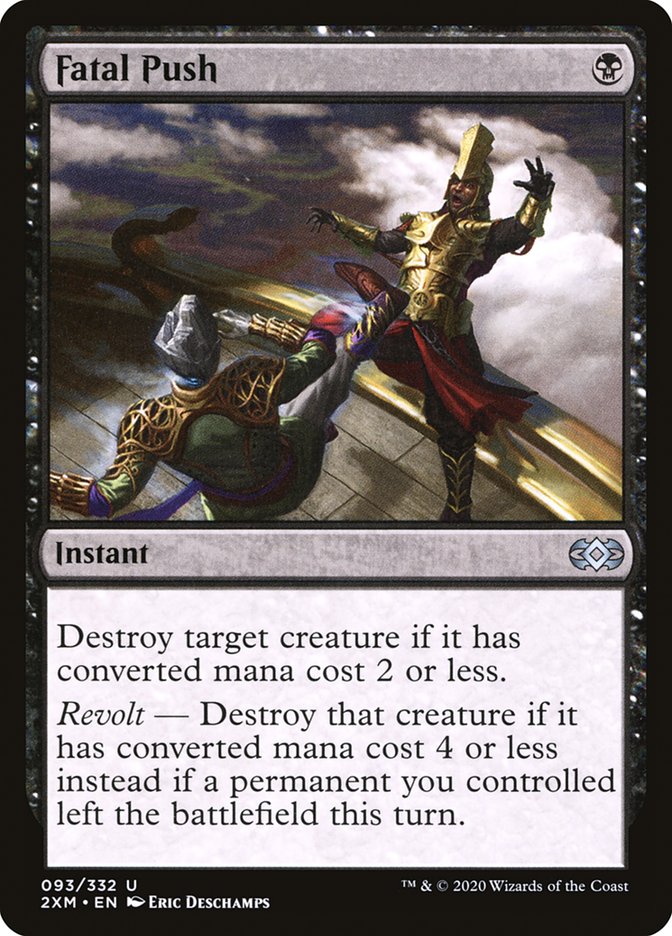
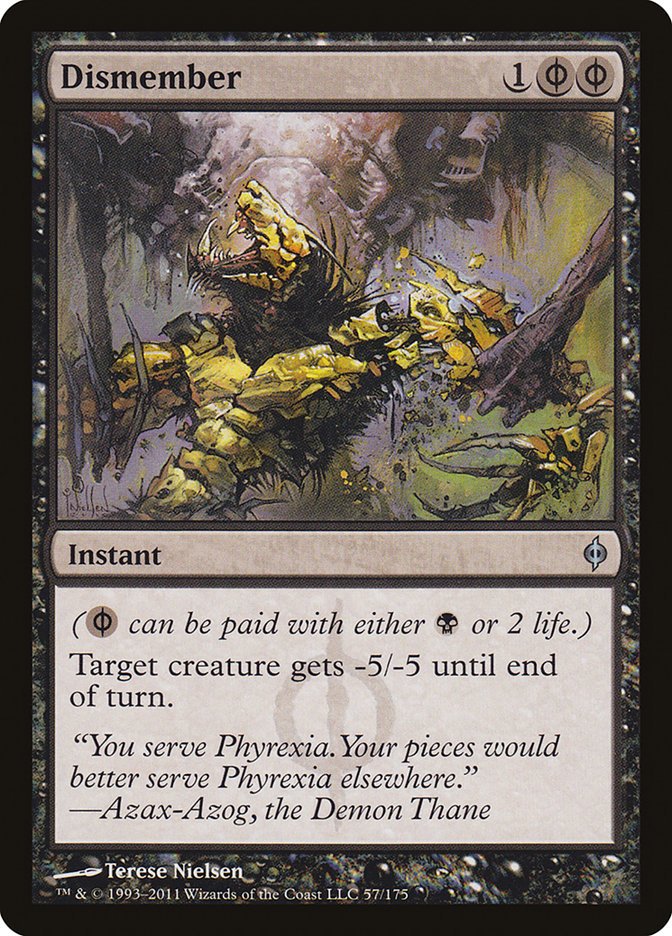
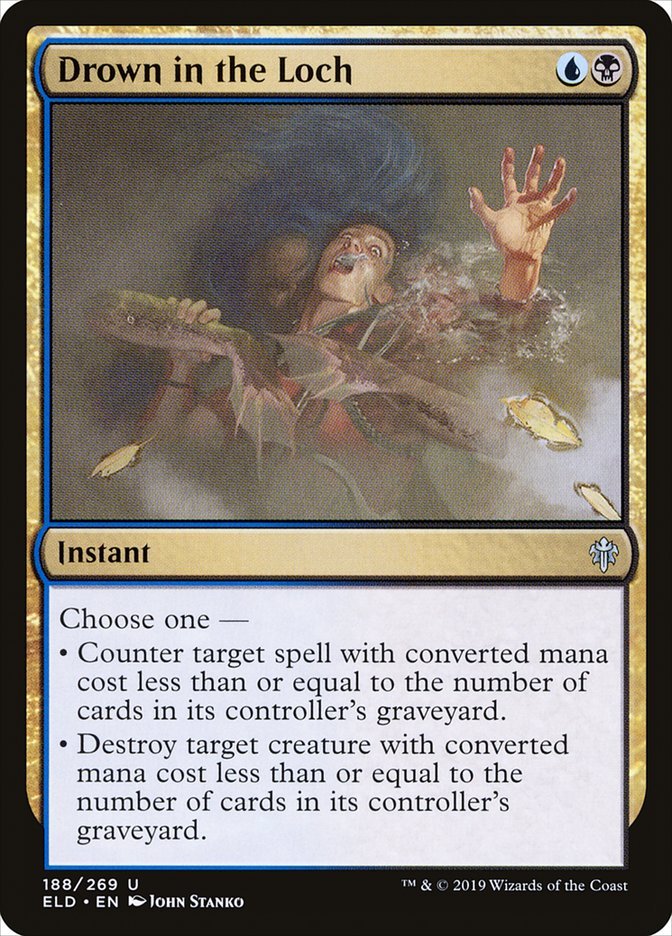

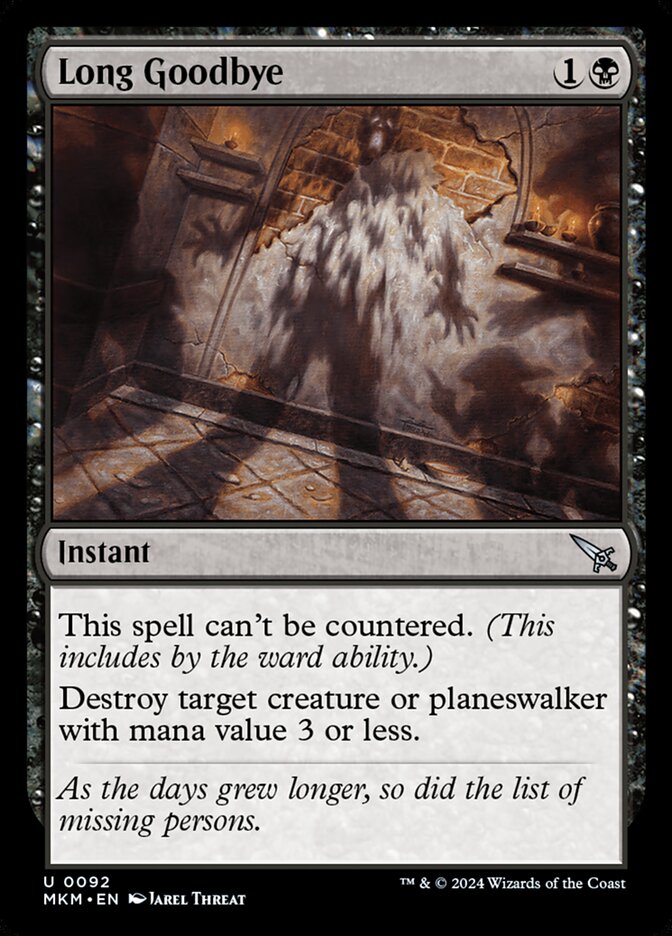
Whilst noted earlier that the Black removal spells line up more effectively against the current threats being played in 7PH, this does come at a higher average mana cost. Fatal Push, Dismember, and Drown in the Loch are easy first inclusions but it gets much harder after that. Ultimately, I decided that whilst not a turn one removal spell, there is sufficient graveyard filling such that Murderous Cut can act as a one mana removal spell later in the game. Long Goodbye I’ve received more criticism for, and understandably so as it is at odds with trying to improve the Eldrazi matchup. However, I wanted an answer specifically to Teferi, Time Raveler, and this is where I settled. Other cards I looked at for these slots are Bitter Triumph, Feed the Cycle, Sheoldred’s Edict, Snuff Out, and Quag Feast. Much like Murderous Cut and Long Goodbye, each of these have pros and cons. While I stand by my eventual card selections, I think each of these are defensible moving forward.
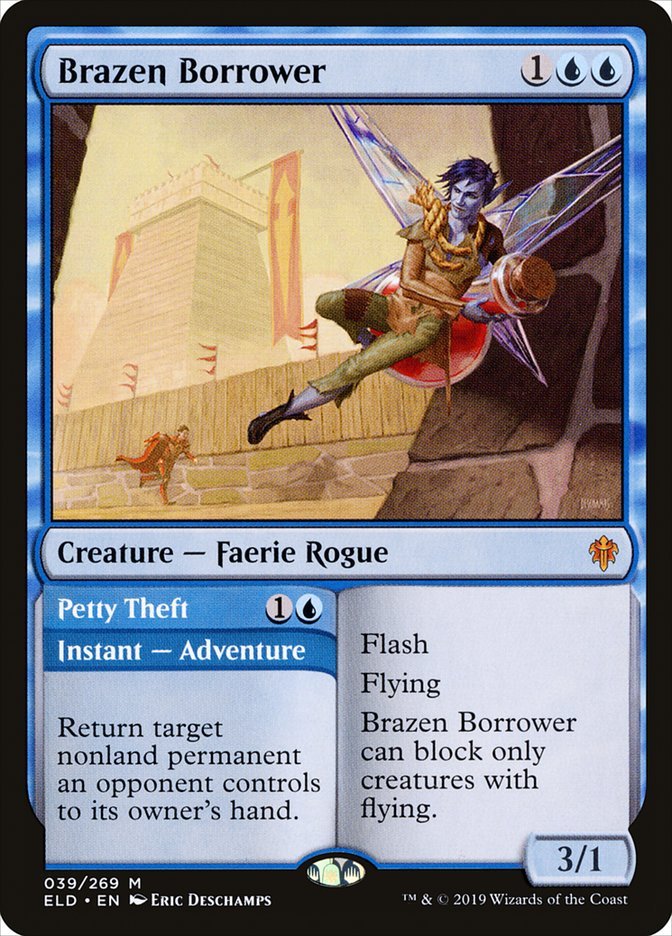
Brazen Borrower is a card that I’ve historically been very unexcited by; its two modes are both overcosted and neither provide a particularly strong effect. However, I’ve found that resolved non-creature permanents are a particular weakness with only access to Blue and Black cards. Whilst Brazen Borrower by no means fixes this issue, it does provide a resource to look for during games.
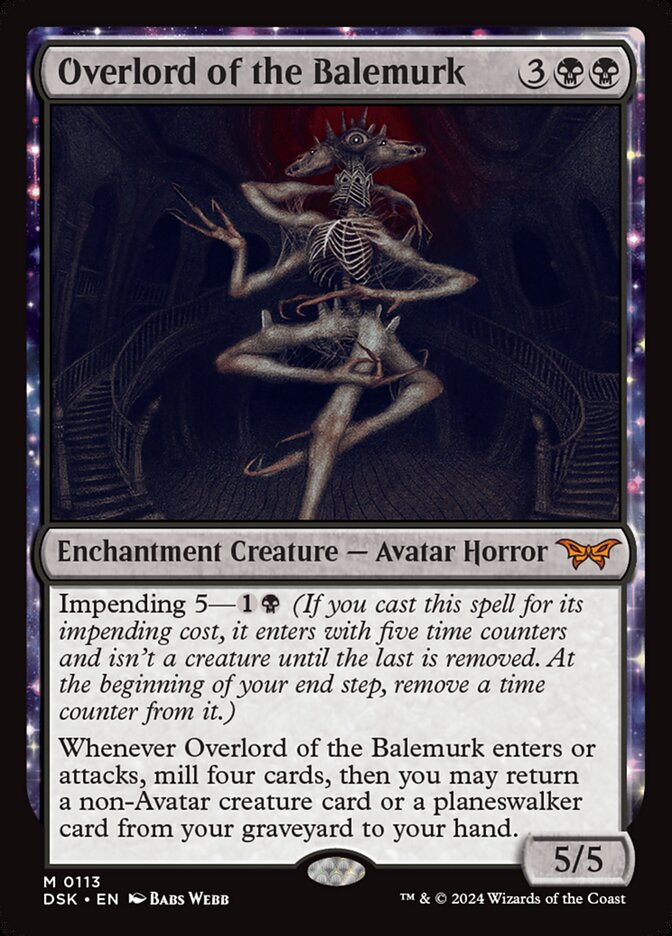
Historically I have held the opinion that while Thought Scour is obviously a better card that Mental Note, it isn’t meaningfully so, and that if you’re interested in the first copy you should be playing the second. However with the printing of surveil lands, and Metamorphosis Fanatic revitalising Worldly Tutor, the upside of Thought Scour is starting to become meaningful. That said, I’ve found I’m still interested in the self mill effect leading to the inclusion of Overlord of the Balemurk. It also has the additional benefit of providing another late game threat that is not susceptible to the Elemental Blasts.
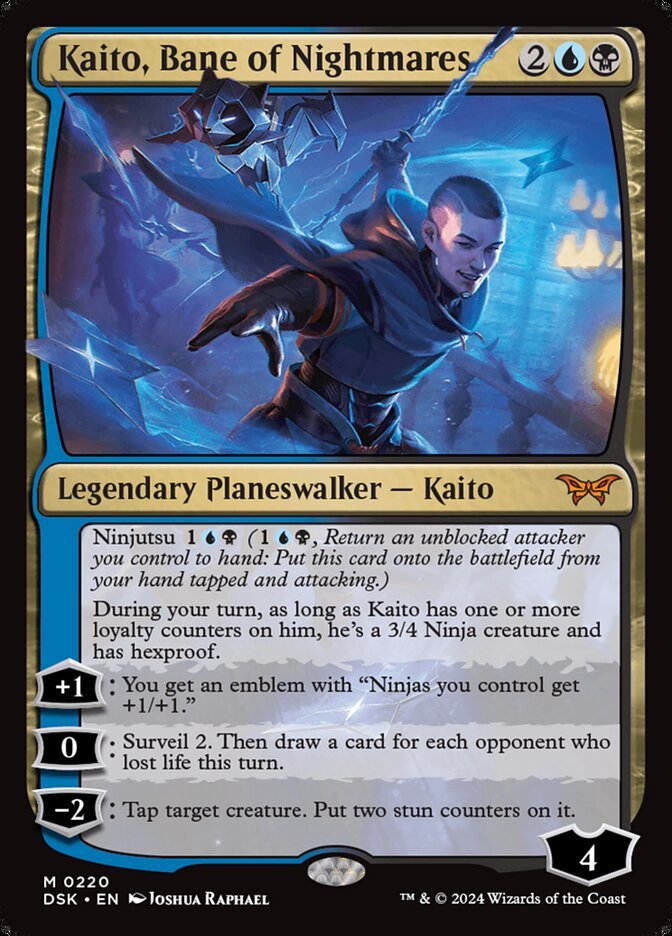
The last unconventional card I want to highlight is Kaito, Bane of Nightmares. As a planeswalker he provides a difficult to answer threat that can also evade the more prevalent counterspells that would be used to answer him. While it does have its limitations as a four mana Blue spell in a see of Red Blasts, I think Kaito, Bane of Nightmares is deserving of more widespread play in highlander.
A Guide of Sorts
As a singleton format, sideboarding is possibly the most difficult aspect of 7PH. Two decks within the same archetype can differ by only a few cards but have substantially different overall game plans.
For this reason, I find it important to maintain a more “vibes-based” approach to sideboarding rather than an explicit sideboard guide. While the first few sideboard cards may often be obvious, the last two are far from it. Evaluate sideboard cards in the context of both what the opponent is playing and how they play. Perhaps the most textbook example of this is with the Elemental Blasts.
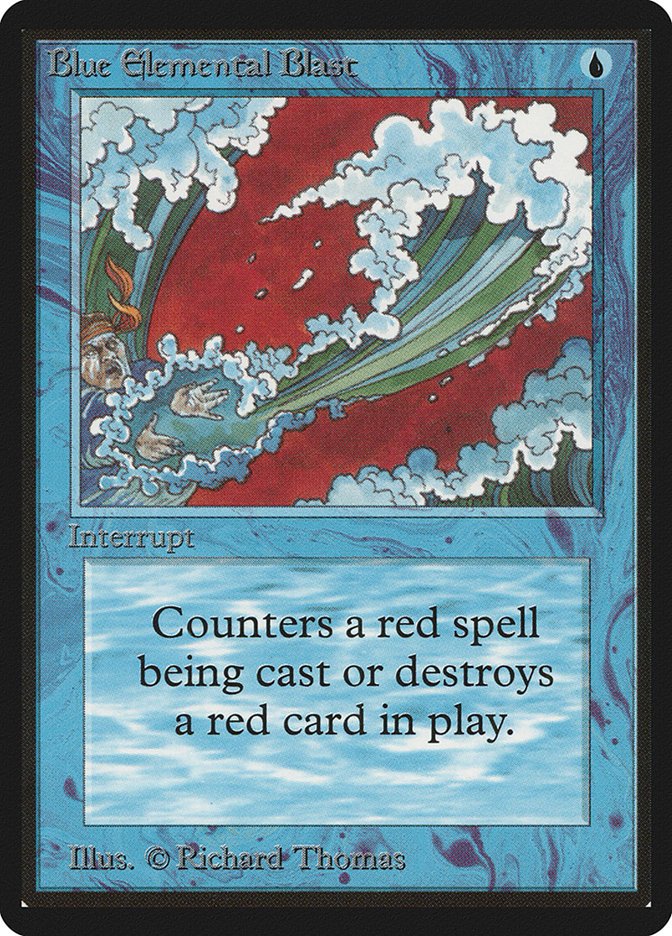
There are a few different cases for bringing in the Blue Blasts. The first, much simpler, case is when your opponent has a high density of Red cards, so each Blast will always have a good target i.e. Rx Aggro. The second intuitive case is when your opponent has a Red card that is their primary way to win the game, such as Underworld Breach. Where it gets difficult is decks that have a few, very good, but not critical Red cards. This is where our vibes come in. Decks like Grixis, Omnath and Jund all run some number of high impact Red cards. Hitting those cards with Blasts will often be game winning, but may just as often be game losing due to having a Blast rotting in hand while they play non-Red creatures.
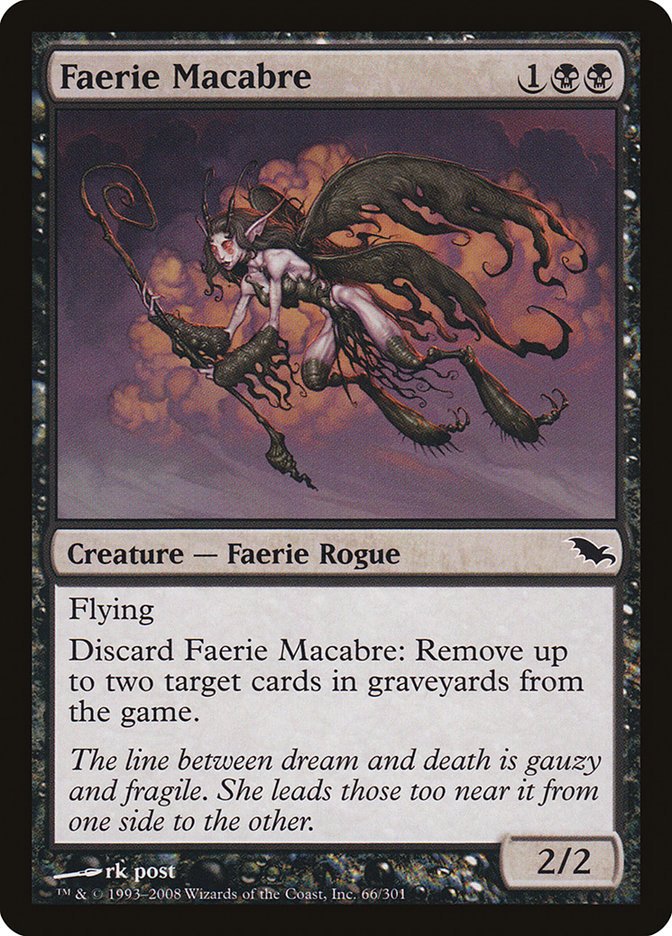


This split of graveyard interaction tries to address the similar situation that befalls Blasts; some amount of graveyard interaction is usually beneficial against midrange decks. In this case, the efficacy of the card is traded off for the additional utility provided. Faerie Macabre provides free and un-counterable interaction, Nihil Spellbomb provides single mass removal whilst replacing itself, and Unlicensed Hearse provides a persistent piece of interaction that can be repurposed as a threat later in the game.
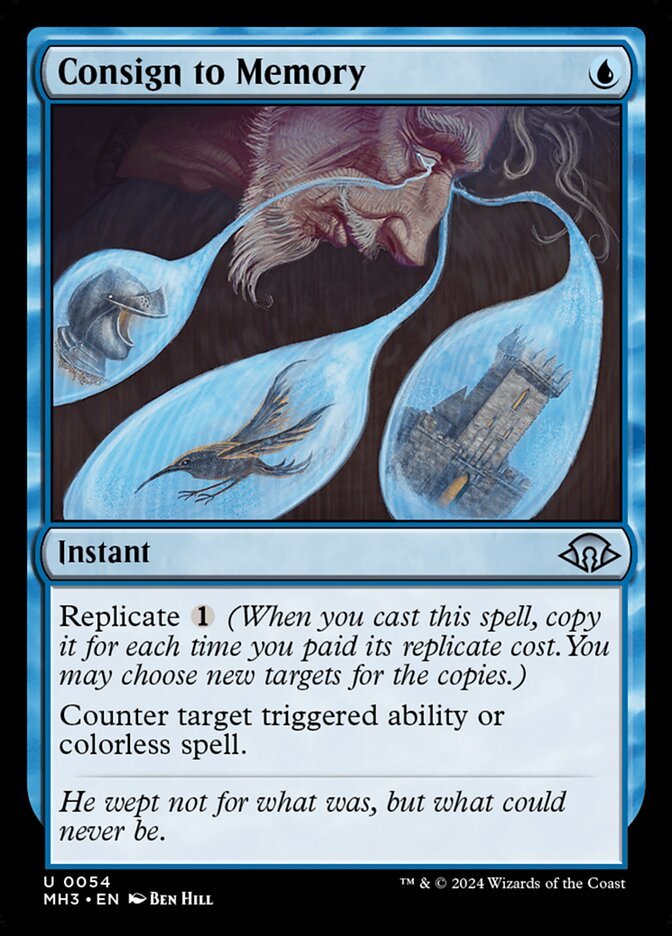

Consign to Memory is one of the best cards against the Colourless decks, answering both a threat of choice and a trigger that often comes with it. Whilst Ceremonious Rejection only does half of that, it’s the next best thing. Additionally, it’s worth considering when Consign to Memory can be utilised against key triggers such as Animate Dead or Necromancy effects.
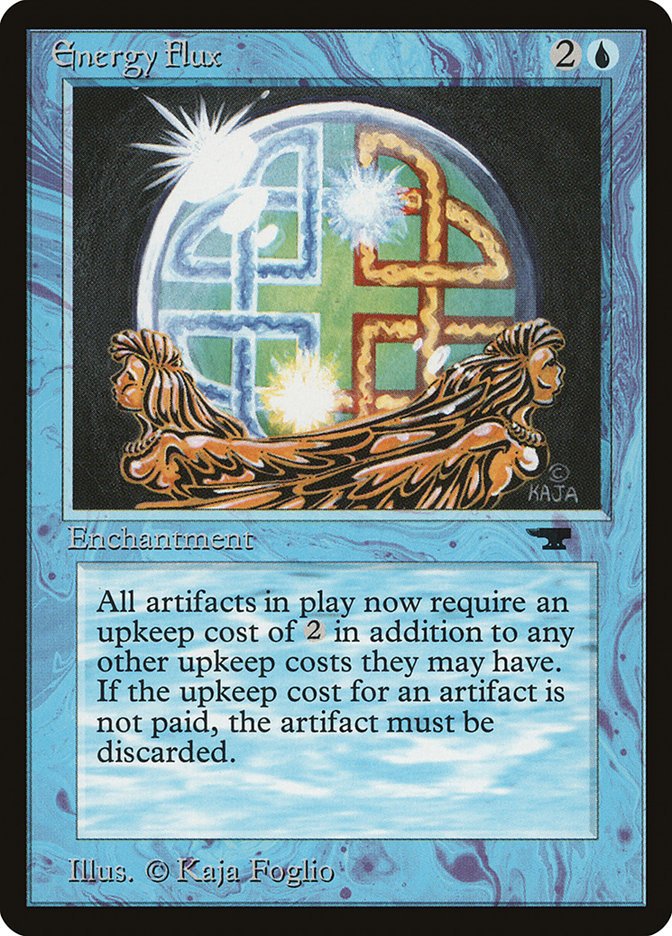
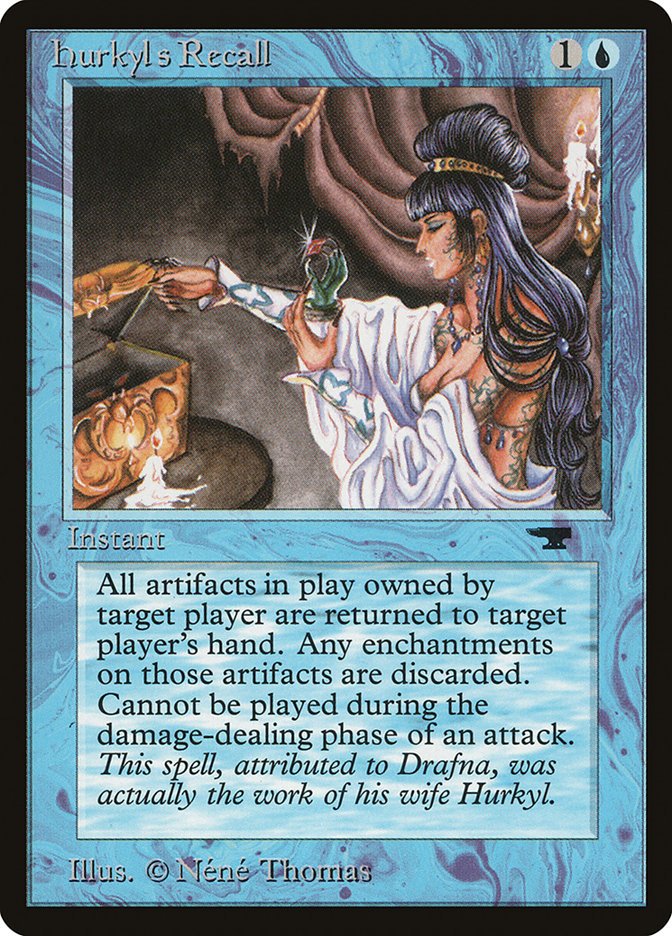
On top of the two previously discussed cards, Energy Flux and Hurkyl’s Recall comprise the remainder of the anti-artifact package. This amount of preparation for artifact decks is perhaps excessive given the small metagame share; but without the incidental effects of spells like Kolaghan’s Command, more impactful cards are needed to swing the matchup.
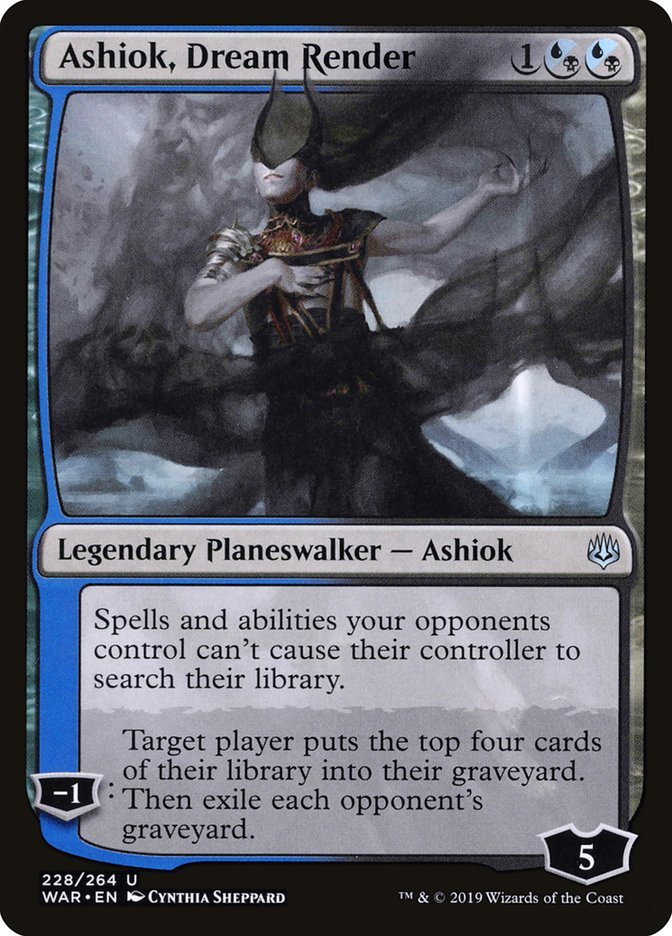
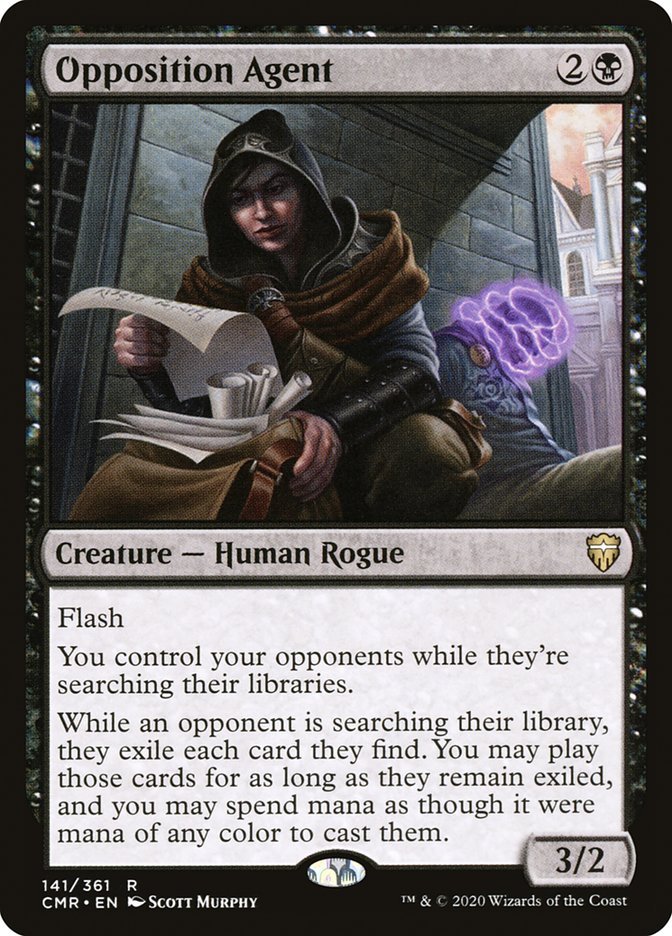
The primary application of Ashiok, Dream Render and Opposition Agent are to hinder decks looking to search up a specific card, in particular Underworld Breach, Nadu, Winged Wisdom decks and Flash Hulk. They each have some fringe applications; the milling from Ashiok, Dream Render can be utilised to fuel the graveyard and Opposition Agent can be used as an instant speed threat that can catch a fetchland.
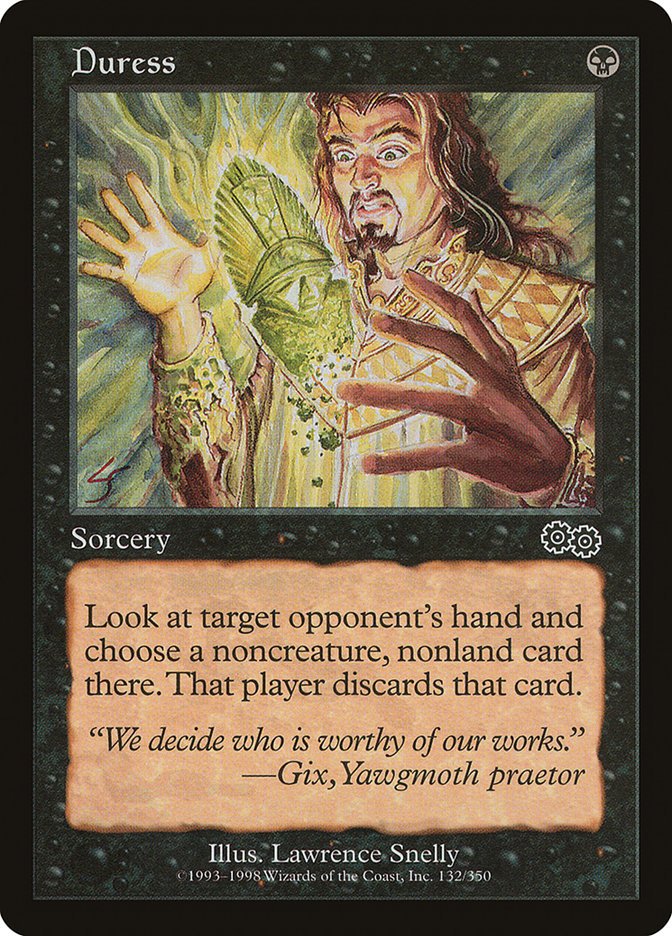
The last piece of the hand disruption package. In some cases it’s justifiable to have this in the main deck, (and now might even be that time), however I’m more confident in bringing this out of the sideboard when I’m aiming to target a particular card.
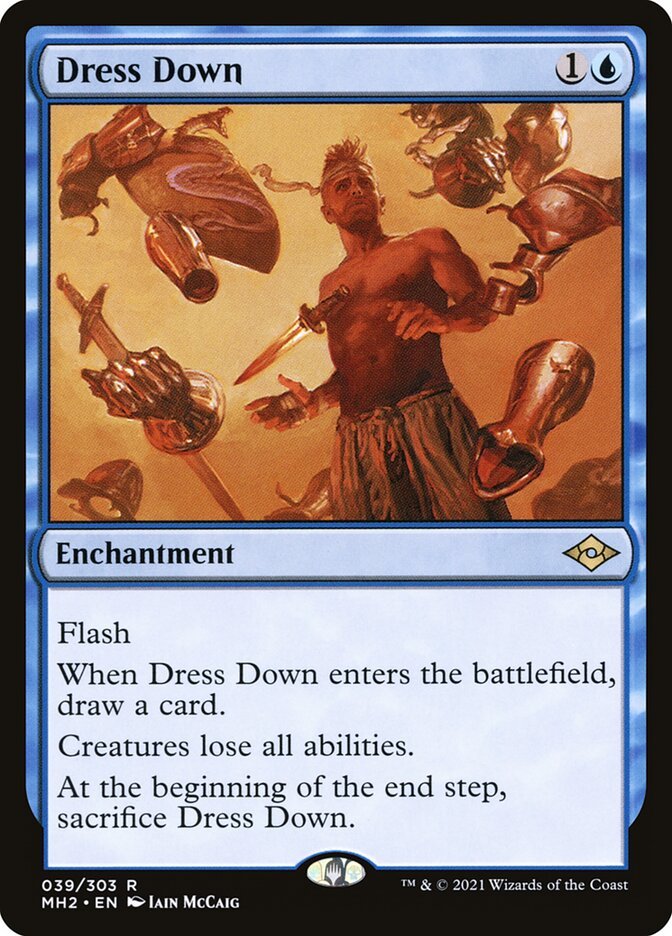

I have largely disrespected creature decks in the current format as the cheap interaction available to Dimir can hold them back until a larger threat can stabilize. As such, Dress Down and Submerge are chosen to deal with specific high impact individual threats, instead of the commonly played sweepers like Toxic Deluge used to deal with overwhelming boards.
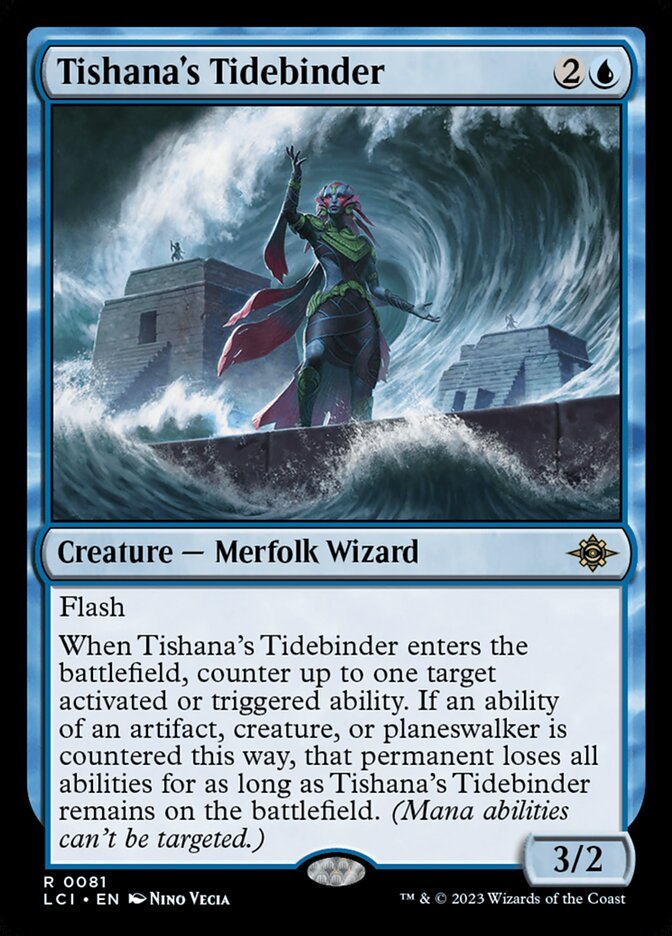
Until the most recent event, this sideboard slot was dedicated to Palantir of Orthanc as a troublesome midrange win condition that dodges Blasts. However, with the recent printing of Cori-Steel Cutter, I expected incidental artifact hate to be more prevalent, thereby making Palantir of Orthanc less reliable as a win condition. Tishana’s Tidebinder was added without much testing on the basis of being an additional flash threat and a reasonable way of dulling Cori-Steel Cutter and other threats used for their activated abilities.
An Ending to Mark a New Beginning
Since starting to work on the list in the Aetherdrift and Tarkir: Dragonstorm 7PH season, I’ve made the top cut at back to back to back to back major events I’ve played in; the Plenty of Games Highlander Open Series March, Mana Clash Individual, Mana Clash teams (where one teammate was on the same 75) and capping it off with a win at Plenty of Games Highlander Open Series May (where that same teammate missed finished 9th on breakers to miss their chance at back to back). Editor’s note: Kyle is phenomenal and your results may vary.
Here are the lists from these events. Mana Clash Singles. Mana Clash Teams. Plenty of Games March.
At time of writing, there’s a points update just around the corner, and it may be that in a week’s time the landscape of 7PH is vastly different to what it is now. I think it’s been shown that Dimir Moon has the ability to be a real contender in the format and that the list still has room to be refined and improved. I hope the thought processes and reasonings demonstrated here can be used as a springboard for whatever the list evolves into next.

Kyle Gibson (he/him) started playing Magic in 2008 with Shards of Alara. He is a core member of The Faction, a Melbourne based team.
After winning GP Brisbane in 2019, Kyle has returned to grinding the RCQ and RC circuit and regularly attends 7PH events at his LGS: Plenty of Games.
His greatest wish is for Living End to be as good as it used to be.