On the 5th of October 2024, 111 players gathered in Canberra to juke it out for seven rounds in one of the biggest 7PH events of the year. Huge thank you to Pat, the judge team and Jolt Games for having us and ensuring everyone had a good day!
This is a data-driven, analytic view of the event. I will be reporting on what did well, what did poorly, and what surprised us. There’s more content coming soon surrounding this event, including metagame metrics and what stories were created, so stay tuned!
This content will be very mathematically dense, so I have created an accompanying video that explains it as well. You can watch it here. You can view the spreadsheets and raw data here. Additionally, there is a summary you can skip to at the bottom if you’d prefer a simpler breakdown.
Here are the decklists.
Glossary
These terms will be used throughout the article and in future in these reports.
Top 8 Deck – A deck that made it to the top 8 cut after the Swiss rounds. In the instance that an event cuts to top 4, or a prize split is determined before the first elimination round, or a player drops after Swiss, the top 8 decks and order will be determined by the points total at the end of Swiss. Notably, if a deck in 8th has the same points total as the deck in 9th, this separation will still be done as the tiebreakers imply that the deck in 8th performed better.
Winning Deck – These term dictates a new category for data separation; decks with a positive record (excluding draws) will be considered “Winning”. In the cases of X wins and X losses, or draw dependent positive records (like 3-2-1), the data will be classified in the “Other” category.
Other Deck – All other decks present at the event, where actual matches occurred. A deck with zero Match Points will be counted, while an absentee deck list will not.
Data Points
The metrics covered in this report are vital to understanding the data presented, so I’ll be detailing each point and its purpose.
Match Point Average – Put simply, this is the average Match Points earned by a card across all instances. For this particular event, 21 Match Points were available in the Swiss, so 10.5 will be the expected average.
Conversion – For each major category (Top 8 and Winning Decks), this stat will show what portion of a card’s attendance achieved the requirement. If two players play one copy of Mox Jet each, and achieve 7th and 15th, the Top 8 conversion will be 50%, and the Winning Deck conversion will be 100%.
Conversion Factor – This number correlates with a card’s performance in comparison with expectations. The more copies of a card are in a room, the more copies are expected in Top 8. The Conversion Factor is the relationship between the expected result and the actual result. It ranges from 0 to 8/Entrants, or 0 to Winning Decks/Entrants, with an average of 1.
In short, the closer a number is to 1, the more it performed as expected. The further away, the better or worse it did.
The Stats
Pointed Cards
With all that in mind, let’s delve into the numbers, starting with the pointed cards. The full data on pointed cards can be found in the “Total Deck Points” sheet.
Below are all the pointed cards with at least 12 appearances, or >10% of the room.

Here are the cards that cost the players the most points.
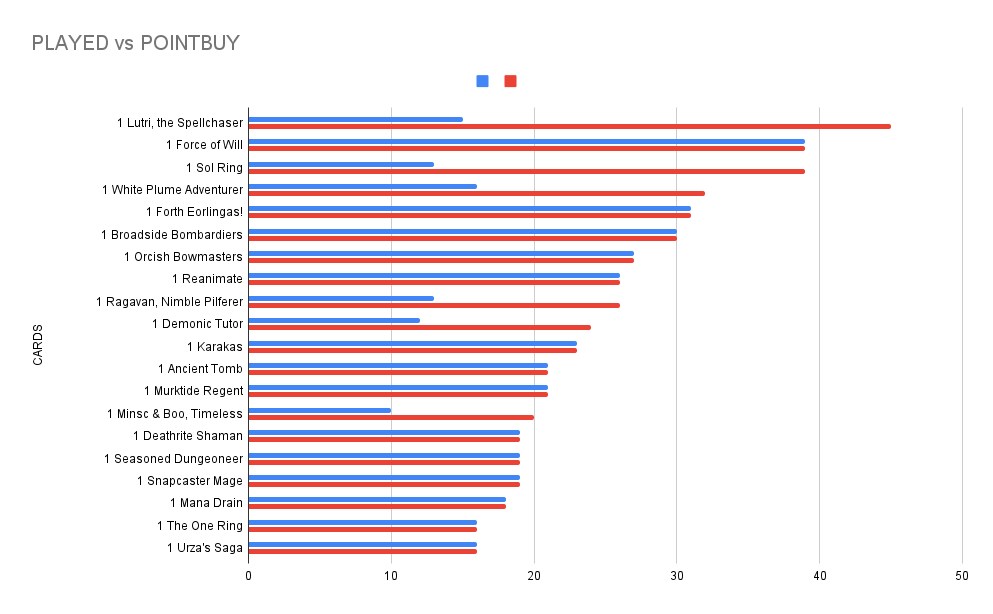
An interesting data point is that out of the top 20 cards in terms of point expenditure, only 6 cost more than 1 point (Lutri, Sol Ring, WPA, Ragavan, Demonic Tutor and Minsc and Boo.)
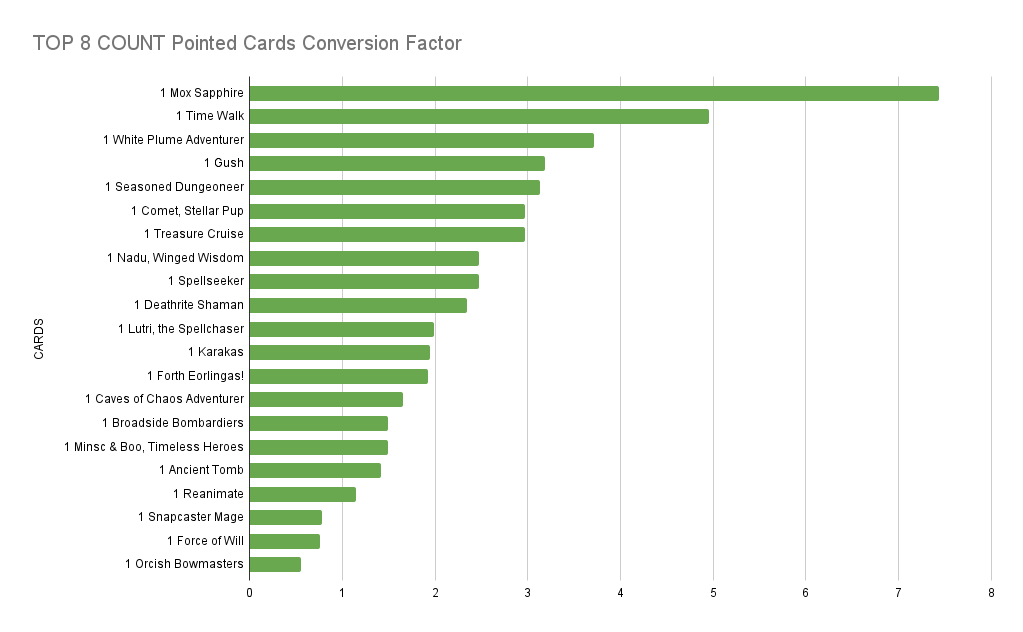
Below are the pointed cards that appeared in Top 8, along with the number of copies. Only 6 of the 21 cards here cost more than 1 point. 3 cards put 4 copies into Top 8.

Let’s go a bit further. This graph shows every pointed card with at least one copy in Top 8, ranked by Conversion Factor. Snapcaster Mage, Force of Will and Orcish Bowmasters, while being played at a high rate overall, actually did worse than expected given their numbers. Mox Sapphire, with its two copies in the room, put one copy in top 8 and therefore overperformed by a large factor. All pointed cards not present here put zero copies in top 8, and therefore have a conversion factor of 0.00.
Below are the Conversion Factors of the pointed cards that appeared in Winning Decks.

As a reminder, every card that scored a Conversion Factor of less than 1.00 underperformed. The highest achievers overperformed in comparison to their play-rate. The higher a card places on this graph and the bigger the red bar, the better it did.
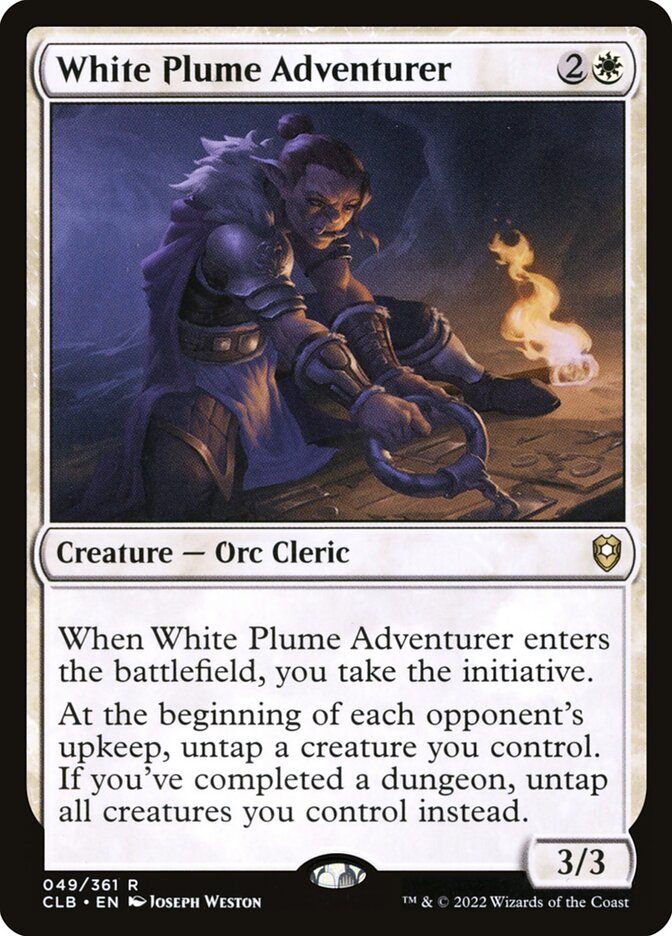
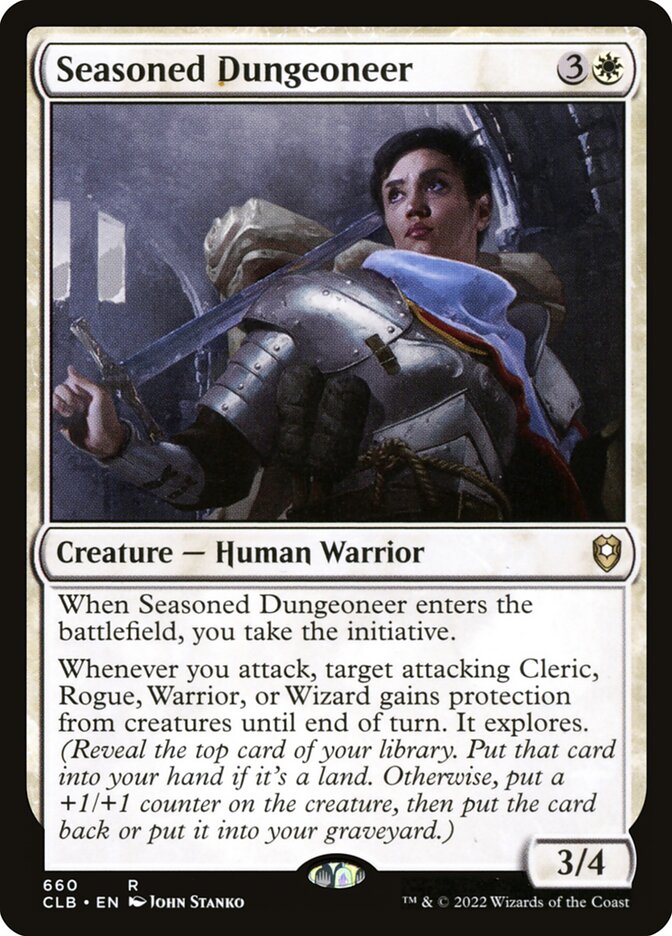
Notable achievers are Mox Pearl, Intuition, Caves of Chaos Adventurer, Comet, Stellar Pup, Seasoned Dungeoneer and White Plume Adventurer.
Lastly, here are the Match Point Averages of the pointed cards, with a cut off of 10.5 (half of the total possible 21 in a 7 round event). Blue is the played count, with the MPA in red.
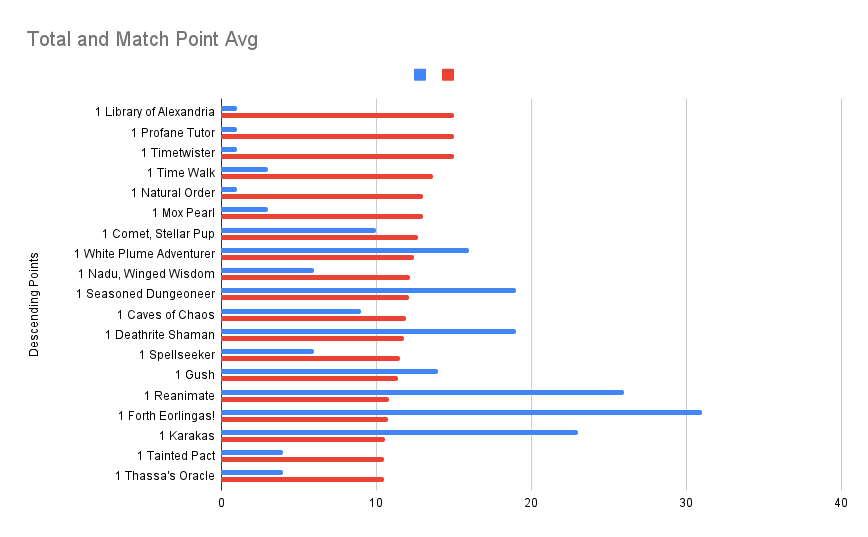
Again, we can see overperformers in Mox Pearl, Comet, Stellar Pup, Nadu, Winged Wisdom and Caves of Chaos Adventurer.
All Cards
Here are the most played Mainboard cards, with at least 34 copies or a hair above 30%.

And here are the most played sideboard cards, with at least 17 copies each.

As for Match Point Averages, these are the Mainboard top performers. Each of these cards achieved a MPA of 15, or a 5-2 record on average.
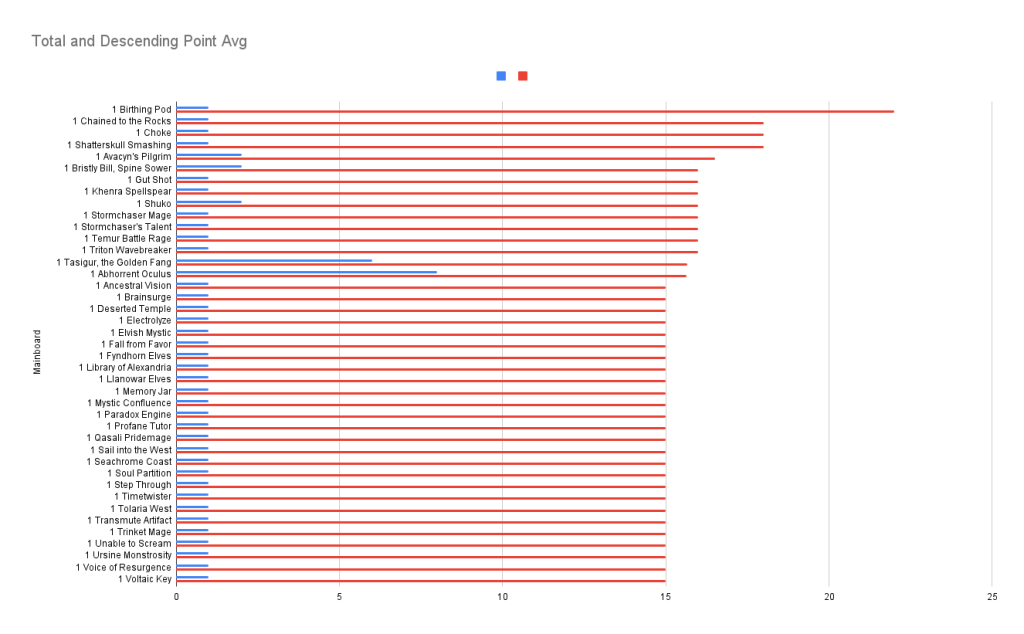
Notable performers were Tasigur, the Golden Fang and Abhorrent Oculus. Below are the Sideboard MPA’s under the same metrics.
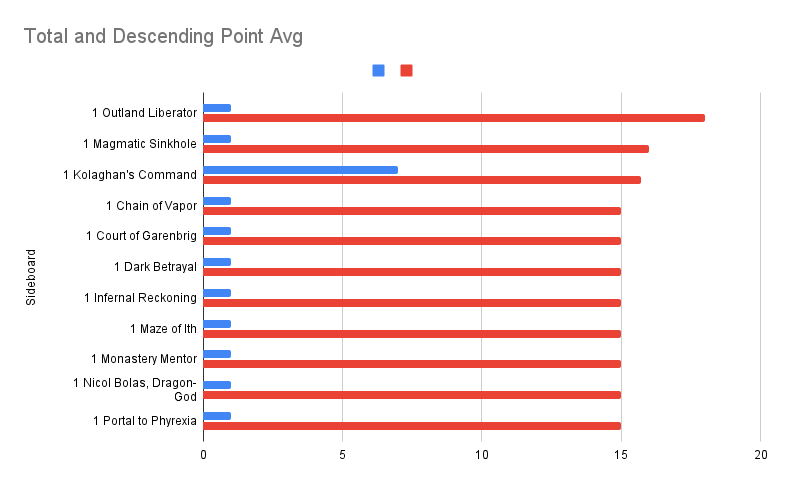
Kolaghan’s Command had the highest Match Point Average of any card with more than 1 copy across all sideboards.
I won’t show raw data on the Conversion Factors of ALL cards as it’s simply too much and the information we could glean depends largely on the biased lens we are viewing it through, but you can do a deep dive if you would like. However, I will highlight the cards that had very good Conversion Factors (>2.5) with at least 3 copies in top 8.
Abhorrent Oculus – 3 copies – 5.58
High Noon – 3 copies – 5.58
Emperor of Bones – 4 copies – 3.97
Giver of Runes – 4 copies – 3.71
Palace Jailer – 4 copies 3.71
Sanctifier en-Vec – 4 copies – 3.31
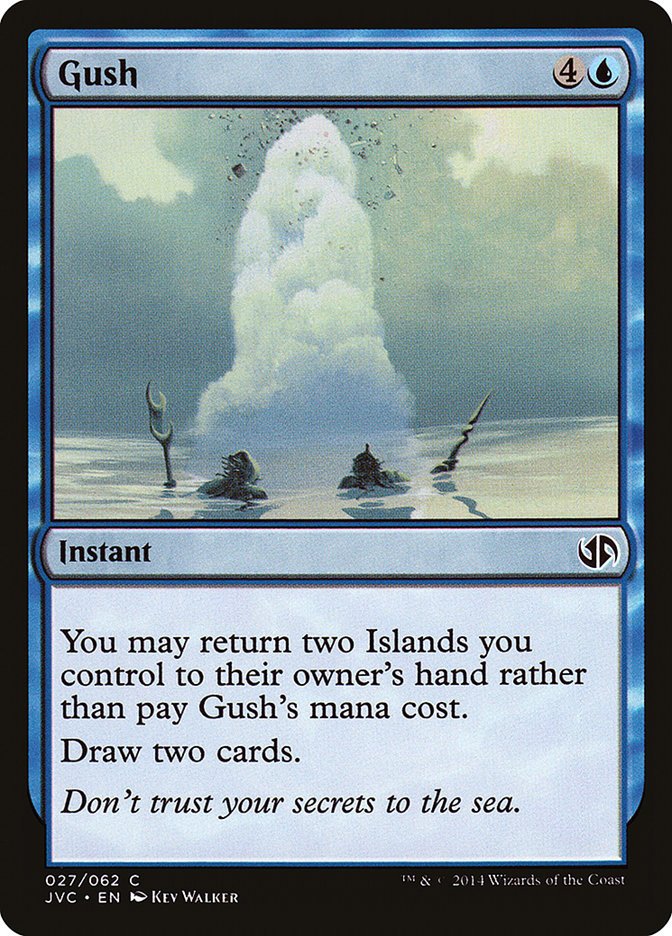
Gush – 3 copies – 3.19
Seasoned Dungeoneer – 4 copies – 3.13
Guide of Souls – 3 copies – 2.98
Snow-Covered Plains – 5 copies – 2.98
Elegant Parlor – 4 copies – 2.83
Pyrogoyf – 4 copies – 2.83
Headliner Scarlett – 3 copies – 2.79
Pre-War Formalwear – 3 copies – 2.79
Ephemerate – 4 copies – 2.70
Mother of Runes – 4 copies – 2.70
Phelia, Exuberant Shepherd – 4 copies – 2.70
While by no means conclusive or exhaustive, these cards did well, with multiple appearances in Top 8 AND the 3/8 benchmark accounts (somewhat) for uncommon cards that “got there”.
Notable cards that achieved good Conversion Factors by the Winning Deck parameters are listed below. These will only include cards with at least 4 copies and at least a 1.5 Conversion Factor.
Delney, Streetwise Lookout – 4 – 2.59
Seeds of Innocence – 5 – 2.16
Caves of Chaos Adventurer – 7 – 2.01
Cling to Dust – 7 – 2.01
High Noon – 6 – 1.94
Cavern of Souls – 5 – 1.85
Omnath, Locus of Creation – 5 – 1.85
Baleful Strix – 12 – 1.83
Comet, Stellar Pup – 7 – 1.81
Palace Jailer – 11 – 1.78
Charming Prince – 4 – 1.72
Guide of Souls – 10 – 1.72
Overlord of the Boilerbilges – 4 – 1.72
Pyrokinesis – 6 – 1.72
Recruiter of the Guard – 6 – 1.72
Path to Exile – 11 – 1.67
Kolaghan’s Command – 7 – 1.65
Phelia, Exuberant Shepherd – 14 – 1.65
Seasoned Dungeoneer – 12 – 1.63
Psychic Frog – 17 – 1.63
Abhorrent Oculus – 5 – 1.62
Commercial District – 5 – 1.62
Headliner Scarlett – 10 – 1.62
Kataki, War’s Wage – 5 – 1.62
Massacre – 5 – 1.62
Elegant Parlor – 13 – 1.60
Delayed Blast Fireball – 8 – 1.59
Savannah – 8 – 1.59
Ocelot Pride – 11 – 1.58
Sanctifier en-Vec – 11 – 1.58
Archon of Emeria – 6 – 1.55
Delighted Halfling – 6 – 1.55
Drown in the Loch – 12 – 1.55
Eiganjo, Seat of the Empire – 9 – 1.55
Esper Sentinel – 6 – 1.55
Barrowgoyf – 16 – 1.53
Molten Collapse – 16 – 1.53
Ephemerate – 13 – 1.53
Mother of Runes – 13 – 1.53
Choke – 7 – 1.51
Leyline of the Void – 7 – 1.51
Summary
I want to reiterate that these stats DO NOT tell the whole story about the event, as every piece of data has flaws and gleaning information from such a large set of data points requires some amount of bias. Whether you believe a card that was played by one person who reached Top 8 is an exceptional performer or a symptom of a small sample size is up to you. The full data is available here and you can use it to create your own story.
The primary points I would like to highlight, with my own slant included, are thusly:
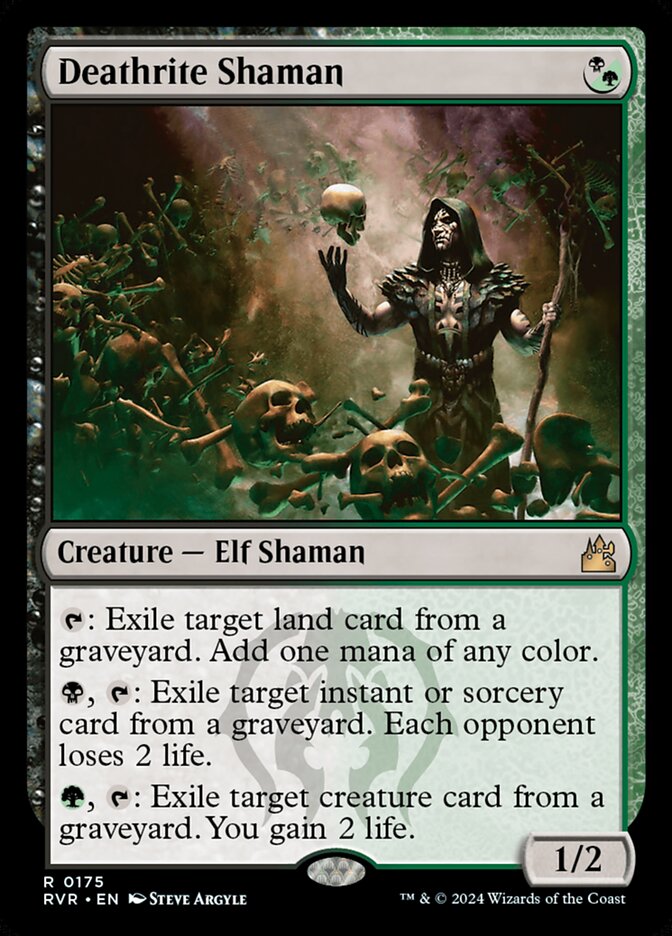
White Plume Adventurer, Gush, Seasoned Dungeoneer and Deathrite Shaman had good performances across multiple metrics.
Abhorrent Oculus did incredibly well across all metrics for its first outing.
The most played pointed cards were: Force of Will, Forth Eorlingas, Broadside Bombardiers, Orcish Bowmasters, Reanimate, Karakas, Ancient Tomb, Murktide Regent, Deathrite Shaman and Seasoned Dungeoneer.
The most played mainboard cards (excluding lands) were: Mental Misstep, Lightning Bolt, Brainstorm, Fable of the Mirror-Breaker, Ponder, Fury, Swords to Plowshares, Thoughtseize, Gitaxian Probe and Preordain.
The most played sideboard cards were: Pyroblast, Red Elemental Blast, Hydroblast, Blue Elemental Blast, Brotherhood’s End, Unlicensed Hearse, Submerge, Duress, Ashiok, Dream Render and Energy Flux.

I hope you enjoyed this, or at least learned something useful. Good luck.
