A Beginner’s Guide to Reliable Brews
By Chris Humphreys “Chump”
The endeavour of learning a new format can be overwhelming for some. Add in an extensive card pool of 28,680 unique cards and even the most seasoned Magic players can be paralyzed by the infinite possibilities.

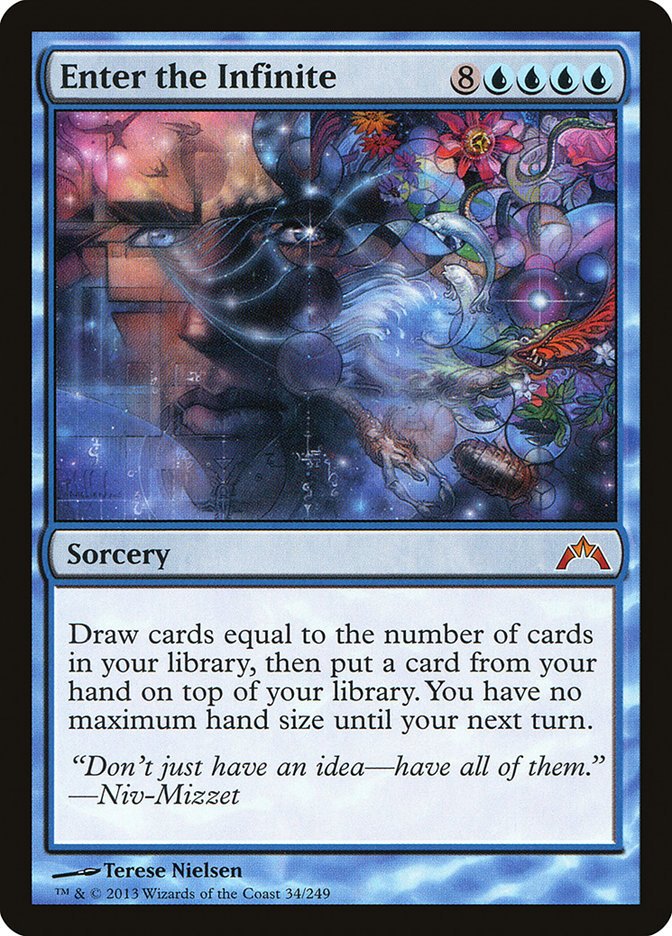

Having played Magic for the better part of 15 years now, the thrill of “brewing” has led me down many paths. Many of these can be found on my Moxfield, but no format has left me thinking about deck building more than 7 Point Highlander.
I started dabbling in the format in late 2023 and registered for my first “real” event in March of 2024. Since then, I have found that deck building or “brewing” has some simple concepts that can help you move from a simple idea to a functional deck, playable at your local game store’s weeklies.
Mise En Place – To gather or put in place
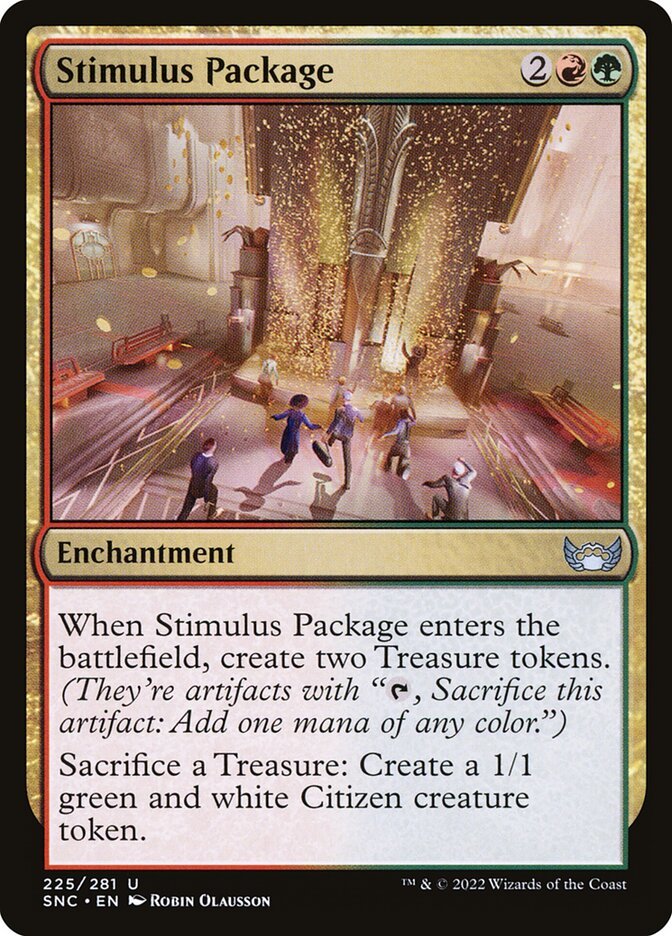
Much like a kitchen or restaurant, we can gather cards together and simplify the deck building process, grouping them into “Packages”.
Much like most constructed formats, the concept of “Packages” has applications within our singleton format. At its core, these are just highly synergistic cards that improve consistency while playing.
When looking at building a new deck, instead of looking to fill cards one at a time, I found that I could simplify the process of adding these packages together to get an amorphous pile and start the process of fine tuning.
An example of this is what I would call the “Dorks”. This term colloquially refers to Green one mana creatures that can be tapped for one mana.
I decide that I am going to build a Green/X midrange deck and that I want one of my points to be the villain of constructed eternal formats, Deathrite Shaman.
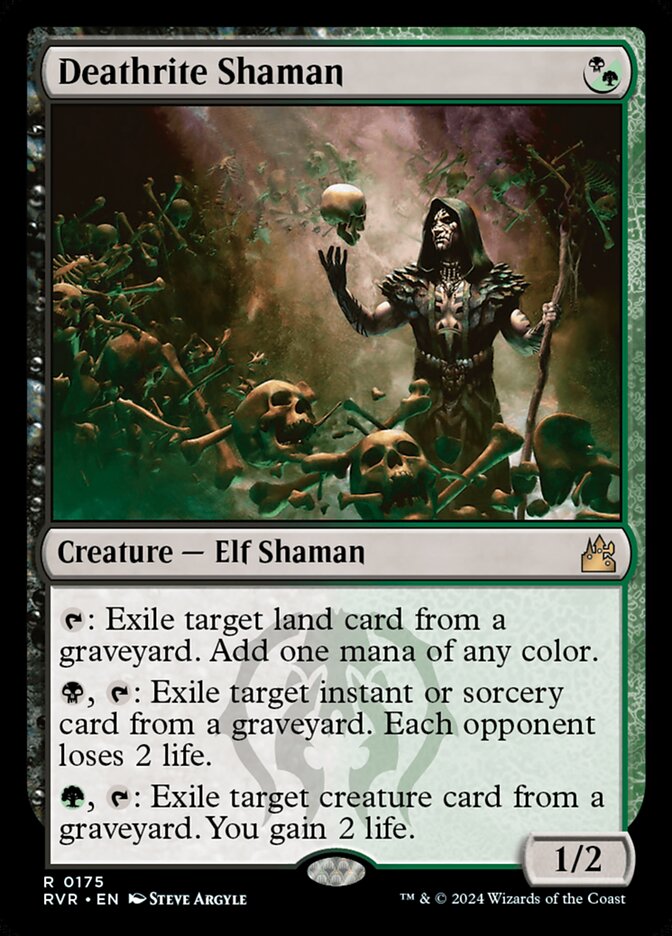
From here, the inclusion of Deathrite Shaman will give me a base of eight cards:
– Deathrite Shaman*
– Noble Hierarch
– Ignoble Hierarch
– Birds of Paradise
– Delighted Halfling
– Natural Order
– Green Sun’s Zenith
– Atraxa, Grand Unifier
And just like that, I have found the starting point that will help give my idea direction so I can shape it into something functional.
Of course, this can be applied to all colours. Let’s look at Black.

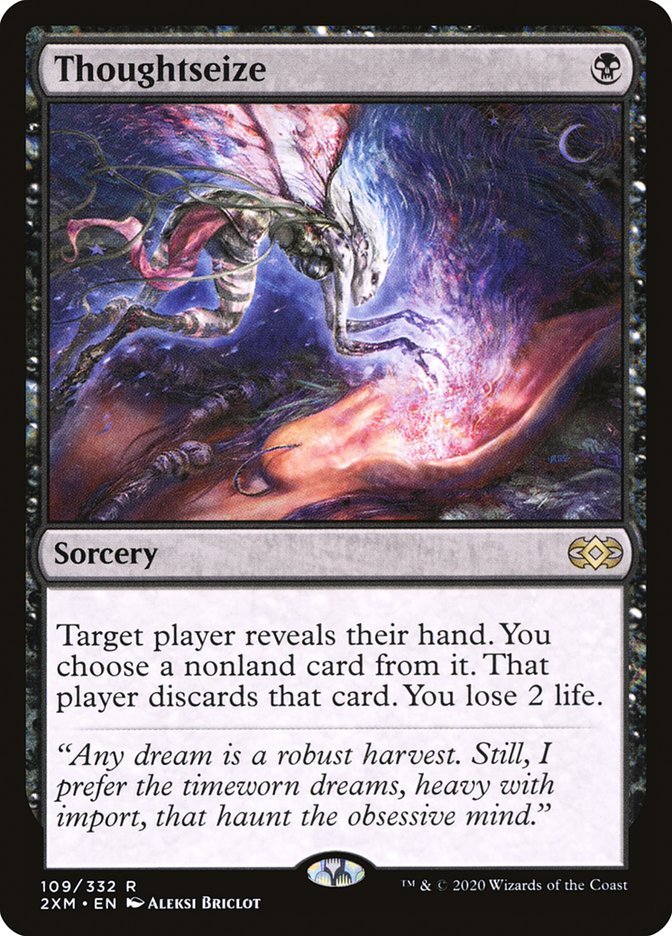
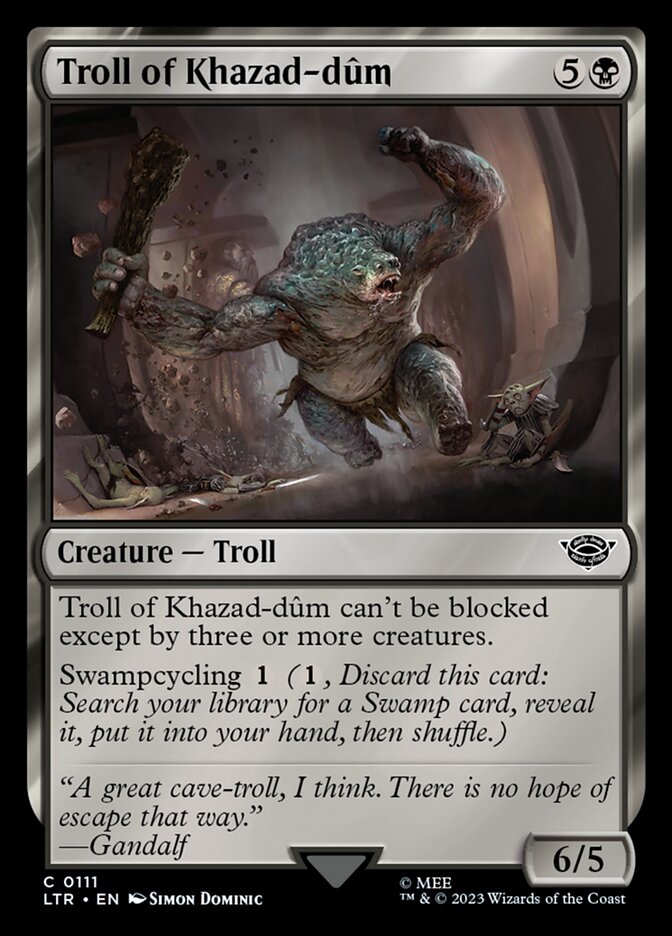
A simple package for Black could be:
– Reanimate*
– Troll of Khazad-dum
– Thoughtseize
– Inquisition of Kozilek
– Dread Fugue
– Fatal Push
– Nethergoyf*
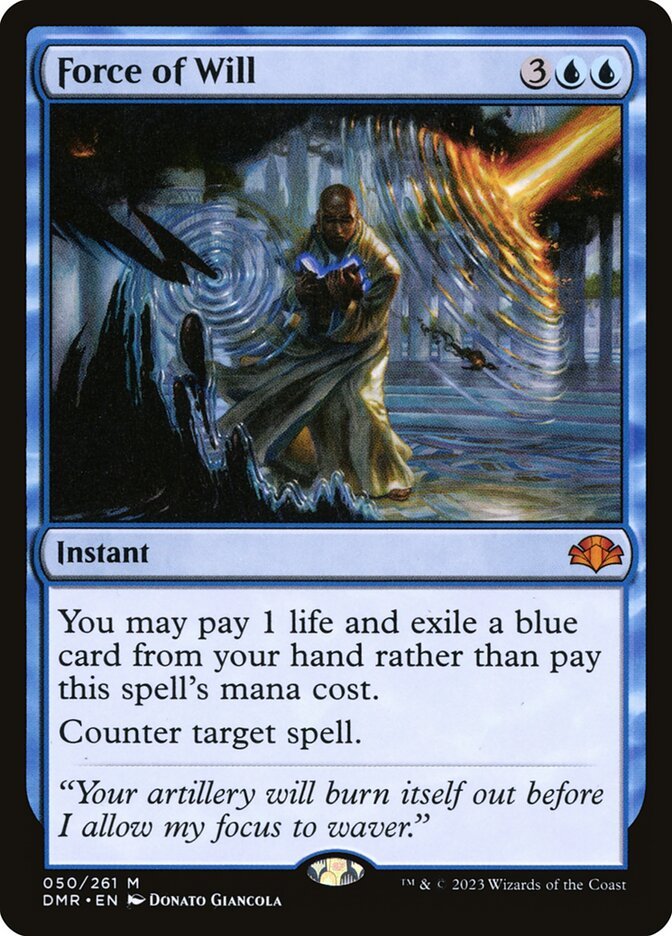
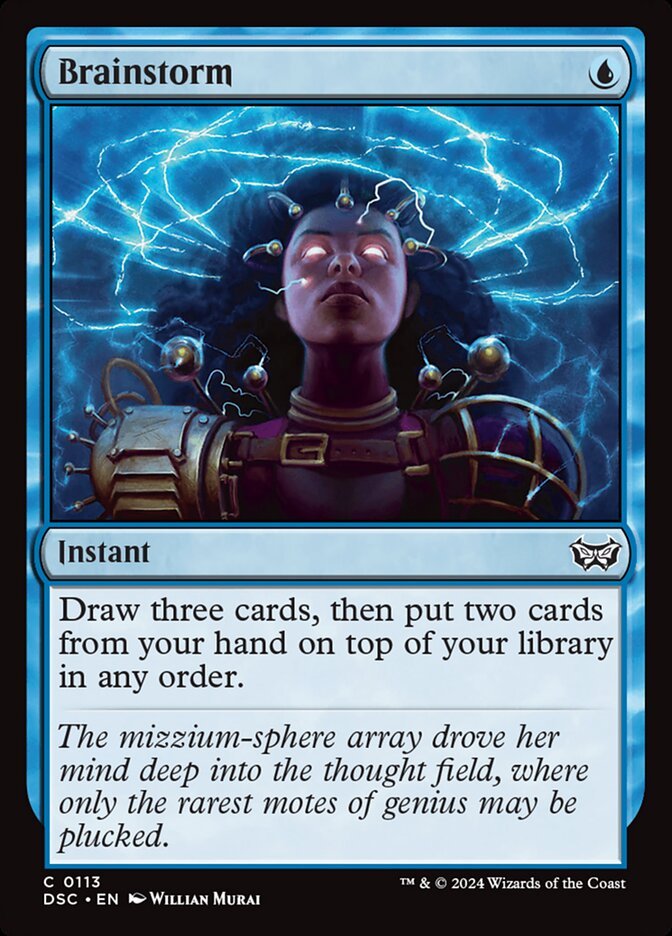

For Blue:
– Force of Will*
– Brainstorm
– Ponder
– Preordain
– Gitaxian Probe
– Mental Misstep
– Force of Negation
– Lorien Revealed
For Red:
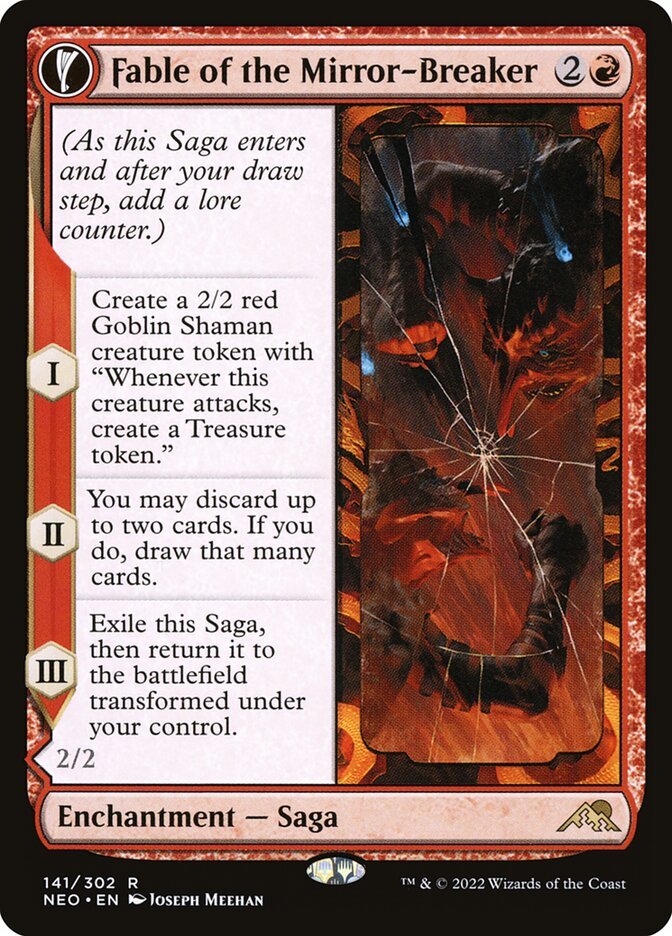
– Fable of the Mirror-Breaker*
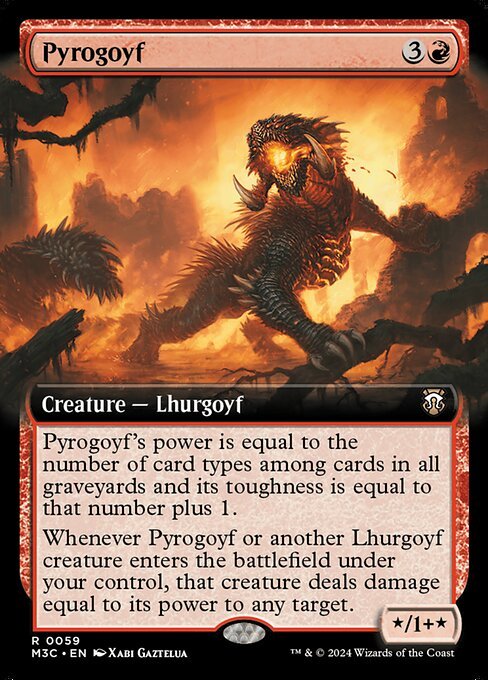
– Pyrogoyf
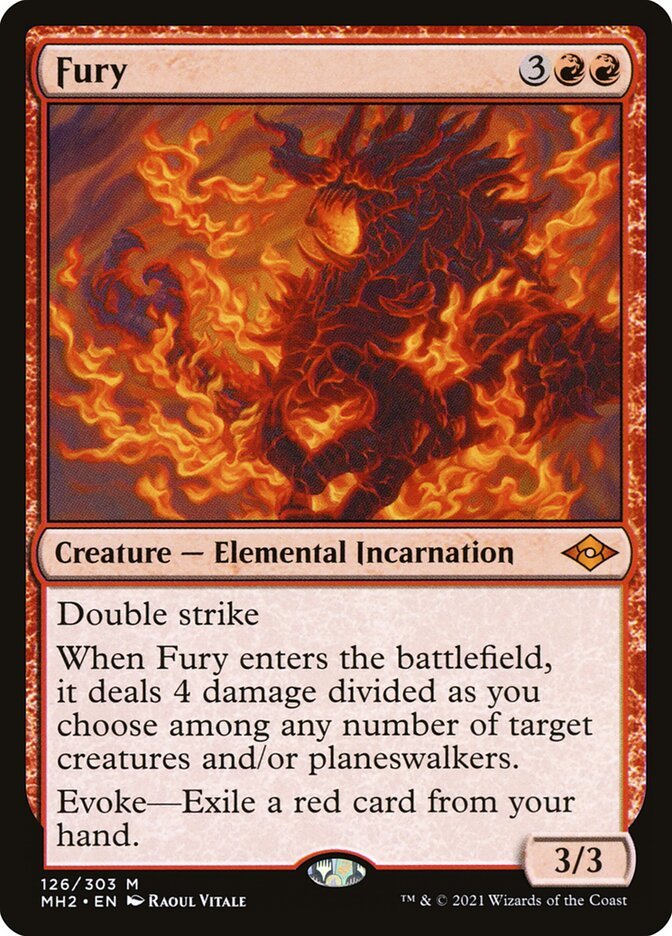
– Fury
– Broadside Bombardiers*
– Fear of Missing Out
– Unholy Heat
– Lightning Bolt
– Oliphaunt

For White:
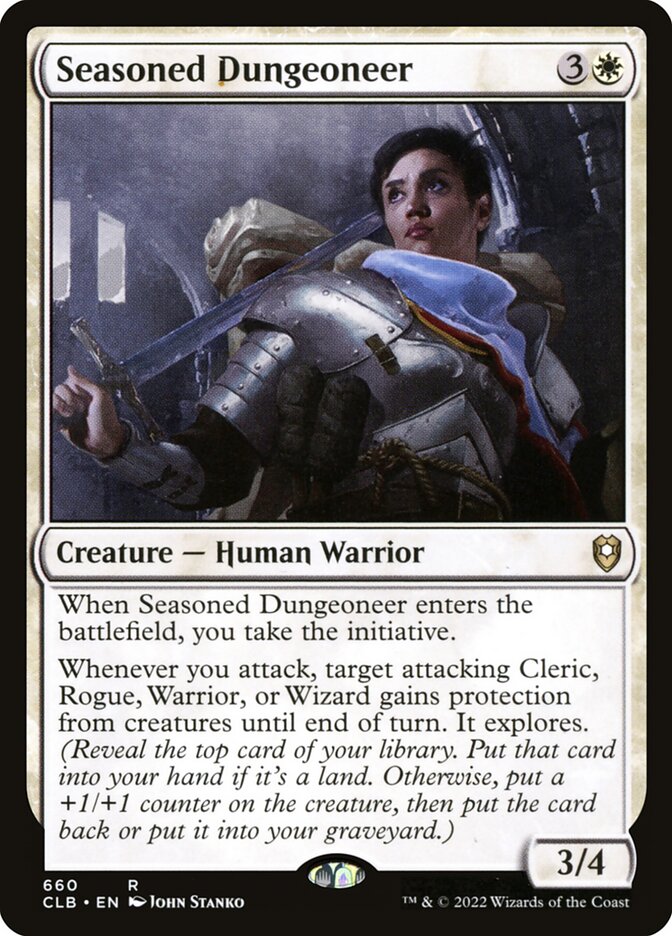
– Seasoned Dungeoneer*
– Stoneforge Mystic
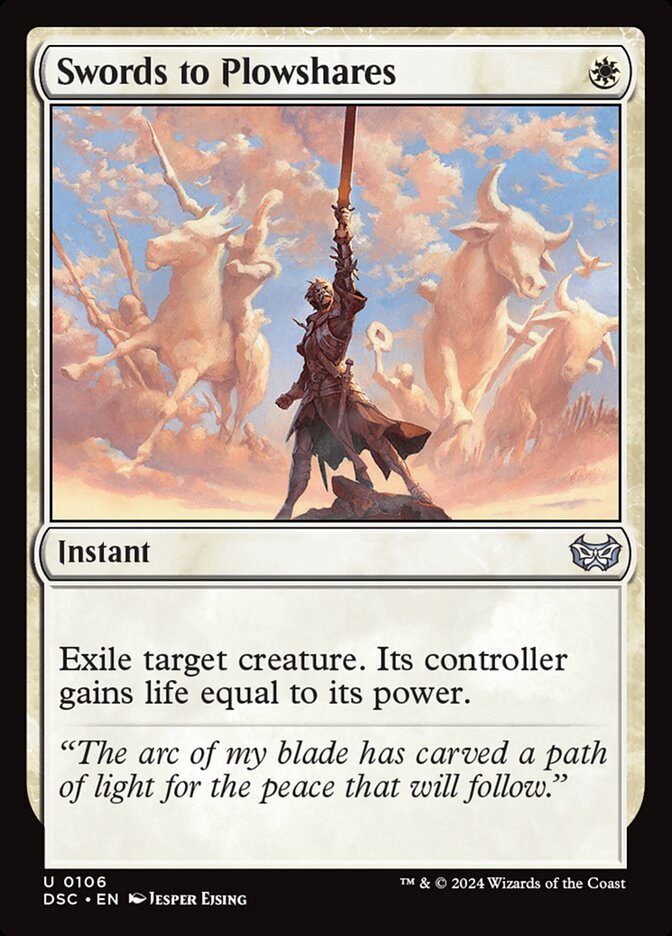
– Swords to Plowshares
– Thalia, Guardian of Thraben
– Esper Sentinel
– Umezawa’s Jitte
– Mother of Runes
Mirepoix – A mixture of sautéed chopped vegetables
Mirepoix refers to a fragrant blend of onions, carrots and celery and is the base of many dishes. Using the same principles, we can take components of the packages established above and start to combine them into the base of our deck.
This step is where your decks will find their identity. Further consideration needs to be made regarding the archetype you are looking to play.
By combining the White and Blue packages, we find ourselves quickly moving towards an Azorius Stoneblade deck where other card considerations can be made:

– Seasoned Dungeoneer*
– Thalia, Guardian of Thraben
– Esper Sentinel
– Sword to Plowshares
– Stoneforge Mystic
– Umezawa’s Jitte
– Mother of Runes
– Force of Will*
– Brainstorm
– Ponder
– Preordain
– Gitaxian Probe
– Mental Misstep
– Force of Negation
– Lorien Revealed
– True-Name Nemesis*
– Solitude
– Hullbreacher
– Invisible Stalker
Alternatively, combining the Red and Black packages will lead to a Rakdos Midrange deck with a small Reanimator plan:

– Fable of the Mirror-Breaker*
– Pyrogoyf
– Fury
– Broadside Bombardiers*
– Fear of Missing Out
– Unholy Heat
– Lightning Bolt
– Oliphaunt
– Reanimate*
– Troll of Khazad-dum
– Thoughtseize
– Inquisition of Kozilek
– Dread Fugue
– Fatal Push
– Nethergoyf*
– Kroxa, Titan of Death’s Hunger
– Barrowgoyf
– Dragon’s Rage Channeler
– Bloodtithe Harvester
– Seasoned Pyromancer
The Dish – Your choice of meat (GF, DF and VG options available)
With the base of our deck in place, bigger choices can start to take place as we start working on the body of the deck.
Working on the Rakdos shell discussed before, we can build upon the “flavours” already established, further refining the archetype of the deck. The addition of an expanded reanimator package could lead to an explosive deck that still has a strong midrange plan, or maybe the further addition of the Green package above will accelerate the plan and provide redundancy in its game plan. By expanding on the ways to put Atraxa, Grand Unifier into play, we will improve the power and consistency of our deck.
By this point the deck shouldn’t have too many slots left to fill, once final points and enablers have been added. The idea you started has quickly become more recognizable as “a deck”.
Outside of the manabase – which is a meal unto itself – this leaves the deck in a state where personal preferences can start to take place.
Garnish and Season to Taste
Personally, the last few slots in any list is where I experiment with “spices”, letting me adjust it to my own personal likings. It’s where personal flair and pet cards can hang out or final archetypal considerations can be made. In my experience, it is where decks get rounded out or balanced and where the flavours of the deck are finalized.
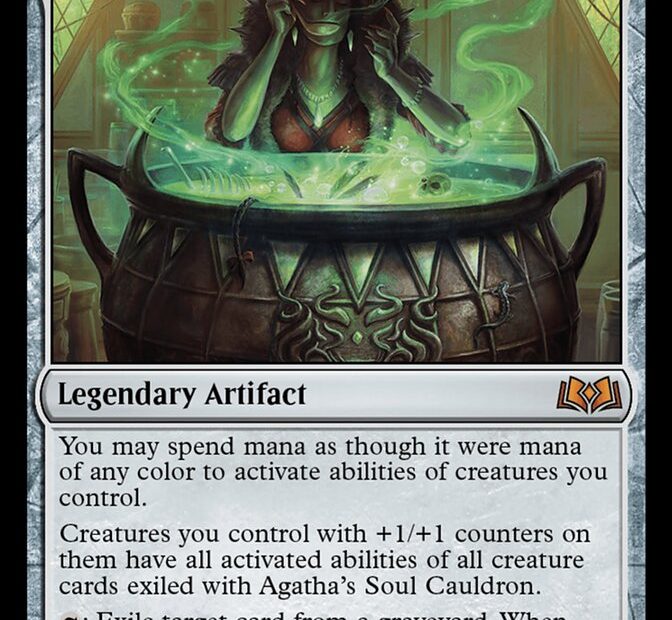
My current spice of choice is Agatha’s Soul Cauldron. Trying to find the balance of it being a value engine or a combo piece, and seeing how far I can push those limits has become a passion of mine. It has lead to some less then good choices, but I at least know how to NOT cook with it now…
Deck building requires nuance and consideration for personal preference, budget or self-imposed stipulations but with the concept of “packages” in your deck-building repertoire, your cooking and brewing will improve as you learn how not to spoil and burn your food.
After all, everyone’s palate is a little different so season accordingly, and….
Bon Appetite!

Chris Humphreys, aka Chump, started playing constructed formats when Gatecrash was released with his first Modern deck being Selesnya Hatebears.
Brewing and playing in the fringes of metagames, he enjoys taking defined archetypes from all formats and blending them into functionality. This led to the creation of Golgari Vampires in Pioneer and Dimir Scam in Modern, the latter of which caused melee.gg to update the Archetype database.
Chump’s passion is to brew and discuss the capacity and thresholds of cards in Eternal formats.