Entering the Fray
By DoctorV
Starting Your Journey – Weeklies
Regular weekly events at your local game store, colloquially known as “weeklies”, offer a wonderful opportunity to play 7PH with lower stakes than large tournaments. Weeklies will be your proving ground while you are in the early stages of your 7PH journey.
These games are perfect as they present low-pressure, high-value practice while you learn both your deck and the format. They will also teach you how to respond under time pressure, what your common play mistakes are and how your deck operates within the format. Lastly, they introduce you to the 7PH community and offer an opportunity to make friends and meet like-minded people!
The Basics
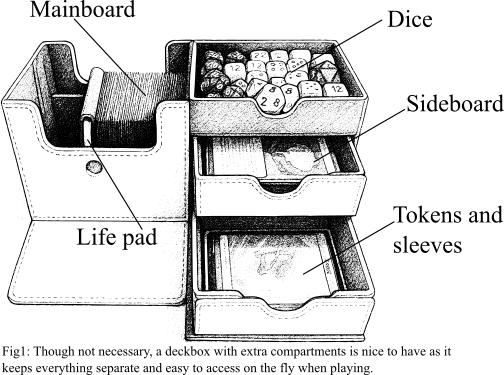
When preparing for your first event, bring your deck, sideboard, and your phone with the MtG Companion app installed. Other things to begin including as you progress are dice, a playmat, appropriate tokens, a pad of paper and a pen.
Events are typically three or four rounds, with each round being a 50-minute Best-of-3 match against a player with a similar record.
Each LGS will have a different environment but the vast majority offer a generally friendly and casual space to play your favourite game and have some fun!
Levelling up
Once you have attended a few weeklies, you may find yourself striving to improve. Luckily, this environment is a perfect opportunity to grow and learn! If you were a Commander player like me, you may have developed some bad habits and missed out on learning valuable skills.
Some simple starting things to focus on are:
- Mulligan decisions: One of the key lessons is to understand when and how to mulligan. Consider what your deck aims to do, and use this as a litmus test to help you make better mulligan decisions. If your opening hand cannot operate, like a one or zero lander, it’s very easy to go to six. However, if your hand is functional but not great, or worse than an average six card hand, you should also lean towards mulliganing.
- Reading or approximating your opponent’s deck: Examine your opponent’s plays and cards throughout the first game, and use this knowledge to strategise better throughout the match. This will help most when sideboarding, but is still an invaluable skill when making future decisions like whether to mulligan your first post-board hand.
- Play clearly: Playing sloppily or carelessly is a very common trap new players will fall into. Don’t assume your spells resolve. Give your opponents the chance to think and respond. Practise announcing your movements between the various steps and phases, and when your triggers go on the stack.
- Play quickly: There are only 50 minutes in a match, but that’s only 25 for you. Experienced players will often take shortcuts to save time, especially at weeklies, but this can be a little confusing to pick up at first. Understanding what shortcuts are common and appropriate will help you shave excess seconds and minutes and finish your matches on time. A common shortcut will be to crack a Fetch Land, announce the land you plan on getting, play the spell from your hand you plan on casting and passing your turn before picking up your deck. By searching your library and getting a pre-discussed land, shuffling and presenting while your opponent takes their turn, you can easily save one or two minutes.
Building a Sideboard Guide

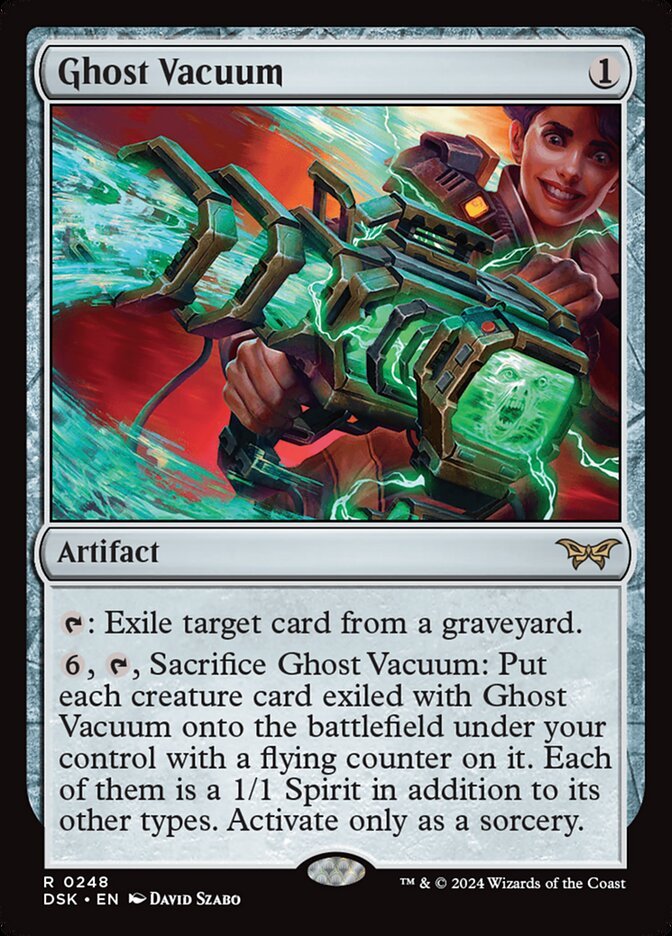

For anyone like me who was primarily exposed to Magic through Commander and Pre-Releases, sideboarding was a foreign concept at first. However, establishing good habits is best done earlier rather than later, even if you’re on a budget deck or missing cards.
Write a basic plan for four or five common matchups.
- Consider breaking it up into the common archetypes; Aggro, Control, Midrange and Combo. This step can be expanded upon and become as detailed as you see fit. For instance, Team Busstop created a great sideboard guide for Grixis Midrange recently. Here we can see how many archetypes you can plan for, but keep in mind that your weekly metagame will differ from a wider tournament.
- Consider what cards to take out and bring in. Ask yourself “What problem am I trying to solve?” whenever you think about your sideboard. For example, your opponent is planning to reanimate stuff from the graveyard, so you should be boarding in something to attack their graveyard. If you have multiple options available, you can determine how many cards you’ll need by examining how effective each piece will be and how reliant your opponent is on their graveyard.
- Consider what cards you plan on shaving in any given matchup and adjust accordingly. Deadpool, Trading Card is an excellent card against midrange creature strategies but is an easy swap with Red Elemental Blast against a Blue control deck.
- Write a short one sentence plan to remind you of your counterplay options against each deck.
- Consider printing this plan out for reference in tournament settings.
Example: Mono Red Aggro vs Jeskai Control
- Out: 1 Chain Lightning, 1 Lava Dart
- In: 1 Red Elemental Blast, 1 Pyroblast
- Plan: Apply early pressure, mulligan for a hand with cheap creatures.
Update your sideboard guide after each weekly and include what worked and what didn’t. Add any new meta decks you hadn’t considered.
Your First Tournament
You’ve had great experiences at your weeklies, and now you’re hungry for more. Maybe you want to play more Magic against different players from around the country or have an opportunity to win some expensive cardboard. Now is the time to step into the world of tournaments!
Competitive Rules Enforcement Level – Comp-REL
When you step into your first Comp-REL event like a seasonal 7PH tournament or an annual tournament like Highlander World Champs at Mana Clash, things will differ from your weeklies. The rules become a little sharper and the expectations of you as a player are higher. This doesn’t mean the players won’t be friendly, but you’re now playing in an environment that prioritises accuracy, clarity, and personal responsibility because of the increased stakes.
Regular-REL is used for weeklies, Pre-Releases and FNM. The primary focus is learning and fun. While players are expected to have a basic understanding of the rules, mistakes are corrected more gently.
Comp-REL is used at larger events with bigger prizes. Players are expected to know the game rules, understand common interactions, track the game state accurately and follow formal procedures around actions like mulliganing and triggering cards.
Professional-REL is used at the highest levels, and is an upgraded version of Comp-REL, but will usually be explained to you by the Head Judge if you find yourself in that position.
Comp-REL Breakdown
- You are responsible for game accuracy: Triggers can be optional or mandatory, but the onus is on you to announce triggers that should occur when they are supposed to. Whether a forgotten or “missed” trigger is placed on the stack will be up to your opponent.
- Life totals must be recorded on paper: Using dice or a phone app will generally be unacceptable at Comp-REL. Use a pen and paper to record life totals, as this makes it easier to track how the game has progressed and find the source of a discrepancy. Confirm with your opponent whenever either life total changes. Edit: The MtG Companion app is *legal* but strongly advised against.
- Presenting your deck: After shuffling, always offer your opponent the option to cut or shuffle your deck. At weeklies, your opponent is less likely to stress about this, or may decline the option when offered. At Comp-REL, it is expected that you cut or shuffle your opponent’s deck each time it is presented to you.
- Judge presence: Judges will commonly be involved in a Pre-Release or a similarly large event, even at Reg-REL. At Comp-REL, a judge must be present. Best practice is to call a judge whenever you feel it is warranted. This could be due to a dispute, an issue with the game state, to ask a question or to advise you will be late to your round because of a bathroom break.
- Deck registration: Comp-REL events will typically require a registered decklist prior to the event commencing. It is your responsibility to ensure that the deck you register for the event is the deck you play with each round, and that your maindeck and sideboard stay consistent throughout the day. There are many infractions that can occur, but you will understand the requirements expected of you more and more over time.
- Time management: Matches are 50 minutes, and it is expected of both players to finish their match within this allotted time. Avoid spending too long prior to each play and use appropriate shortcuts. Communicate clearly throughout each turn, as this will ensure the game progresses at a natural pace.
Comp-REL Tournament Checklist
- A sleeved or double sleeved deck.
- A pen and paper for life totals.
- Dice, counters and appropriate tokens.
- A pre-submitted decklist.
- Spare sleeves and/or spare inners. Your deck’s sleeving must remain consistent throughout the day, so splitting a sleeve or finding a marked sleeve should prompt an immediate replacement.
- Printed sideboard plan and matchup notes.
- Snacks, water and extra clothing.
While tournament magic may not be for everyone, it is for everyone. Enfranchised players will understand what events are likely to attract newcomers to the tournament scene, and you should and will be welcomed by the community. However, it is undeniably better to be overprepared than underprepared, and I hope that reading this will ease the transition for newer players.
Tune in next time for Part 3, where I will be discussing some of the methods of improving your skillset and achieving better results in 7PH!

Dr Varun “DoctorV” Venkatesh (he/him)
Varun is a Naarm-based postdoc in molecular endocrinology by day and an aspiring competitive Magic player by night. He picked up Commander during Dominaria United, but fell head over heels for 7 Point Highlander in early 2024 and never looked back. He loves the social side of Magic; meeting new people and building friendships while also strives to improve at Magic. His greatest Magic achievement is a 2-1 Pre-Release finish and he dreams of making the Top 8 at a major 7PH event.
