The Lands Archetype in 7 Point Highlander
By William “Billy” La Marca
Introduction
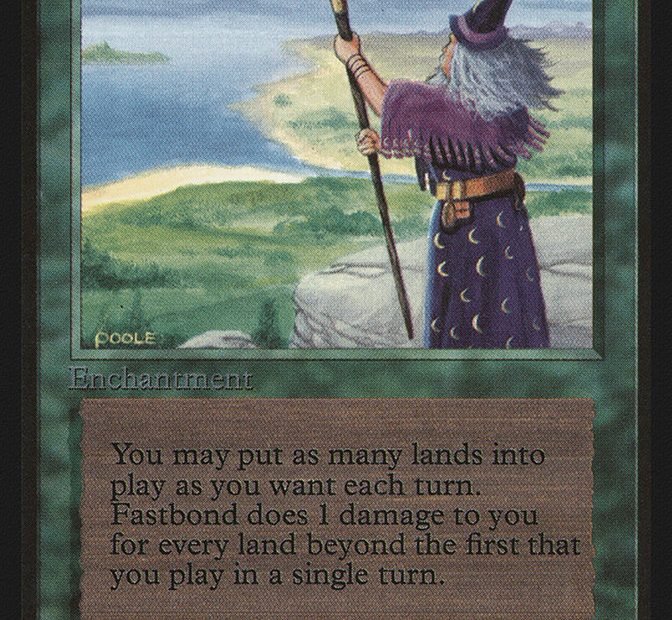
G’day 7 Pointers, my name is Billy (aka Kixian) and you may remember me from such 7PH Discord rants as “Life from the Loam Green Sun’s Zenith Fastbond Strip Mine Crop Rotation needs to be depointed!”. Editor’s note: I’ll give you Crop Rotation for Fastbond and Strip Mine.
This article will serve as a primer for the Lands archetype in 7 Point Highlander and discuss the Golgari Lands list that I’ve been refining for a few years now. Like any good Magic player, I draw most of my deck-building inspiration from the cryptic symbolism present in my dreams; however, for your sake, I’ve focused my energy to turn these into logical thoughts about the list and archetype.
What is Lands?
Lands is difficult to categorise because it is a contradiction. A slow, grindy, prison/control shell determined to force low-resource games of attrition, yet simultaneously a combo deck capable of turn one kills. A deck that makes no secret of its plans and operates largely at sorcery speed, yet remains one of the more unintuitive puzzles to solve for inexperienced pilots and opponents alike. An off-meta deck with infrequent tournament success, yet home to one of the most dedicated and vibrant communities within the 7 Point Highlander ecosystem.
The Lands archetype is sufficiently broad in scope to encompass most traditional strategies, with varied emphases on aggro, midrange, control/prison, and combo elements present across different builds. Thankfully, while Lands decks can be hard to categorise, they are easy to recognise. All Lands decks feature a central core consisting of powerful lands, land synergies/tutors, recursive elements, and ways to break parity on the resource of lands.
Powerful lands, land synergies and tutors
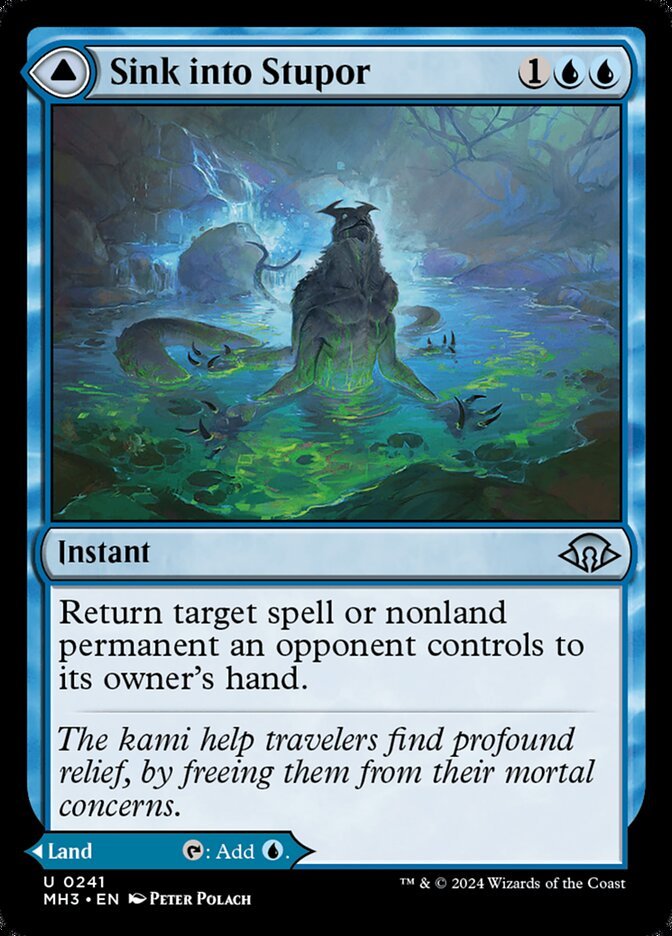
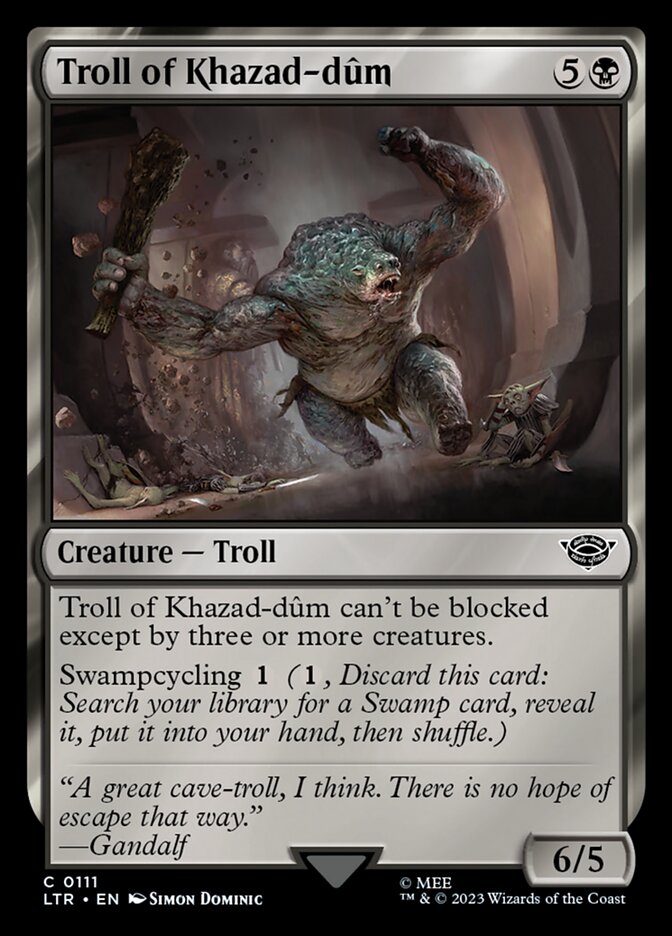
Most 7PH decks want to play spells in land slots. The general trend of land counts in 7PH decks over time has been a decreasing one, with many lists now functioning off 17-19 lands plus some number of MDFCs (Modal double-faced cards, e.g. Sink into Stupor//Soporific Springs) and/or landcyclers (e.g. Troll of Khazad-dûm).
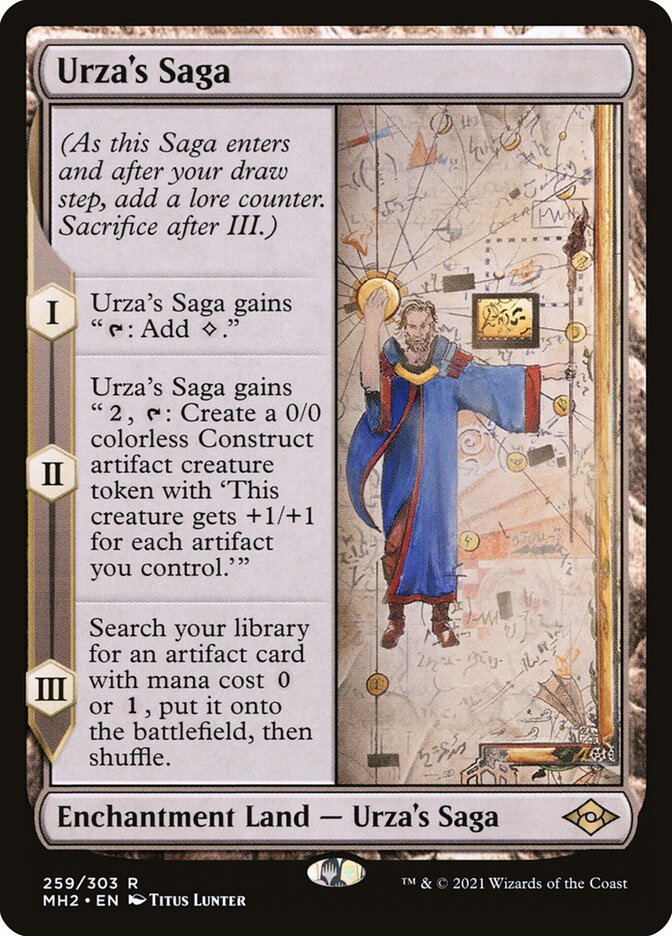
In contrast, Lands decks want to play lands in spell slots. Lands decks typically run between 25-32 lands and incorporate a high number of utility and spell lands. Utility lands are those that offer significant utility beyond mana production, such as Urza’s Saga, Karakas, Thespian’s Stage, or Strip Mine/Wasteland. Spell lands do not innately tap for mana and possess powerful and often game-warping effects, with examples including The Tabernacle at Pendrell Vale, Maze of Ith, Glacial Chasm, Dark Depths, and Bazaar of Baghdad.
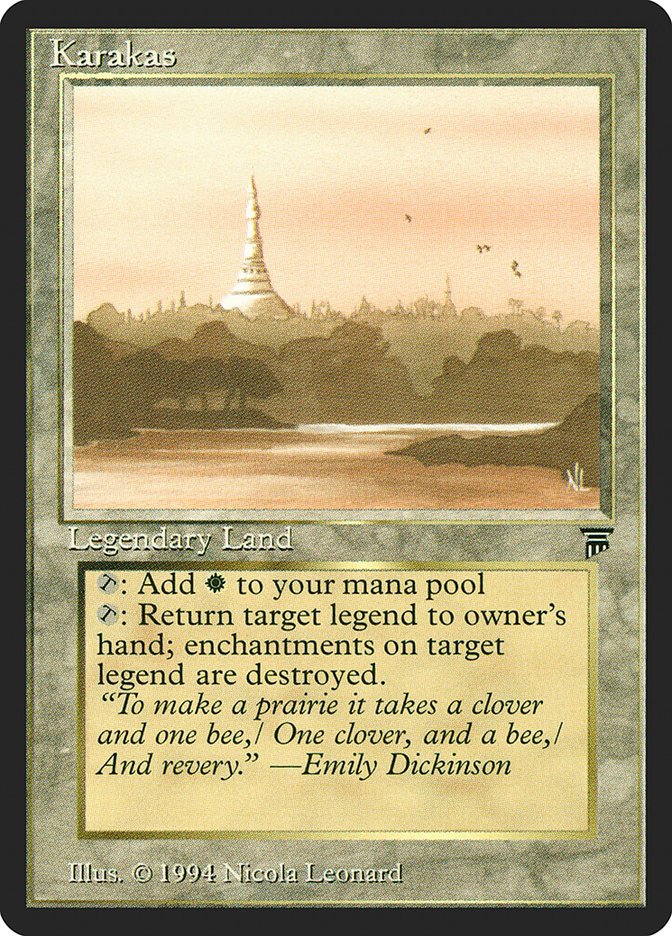
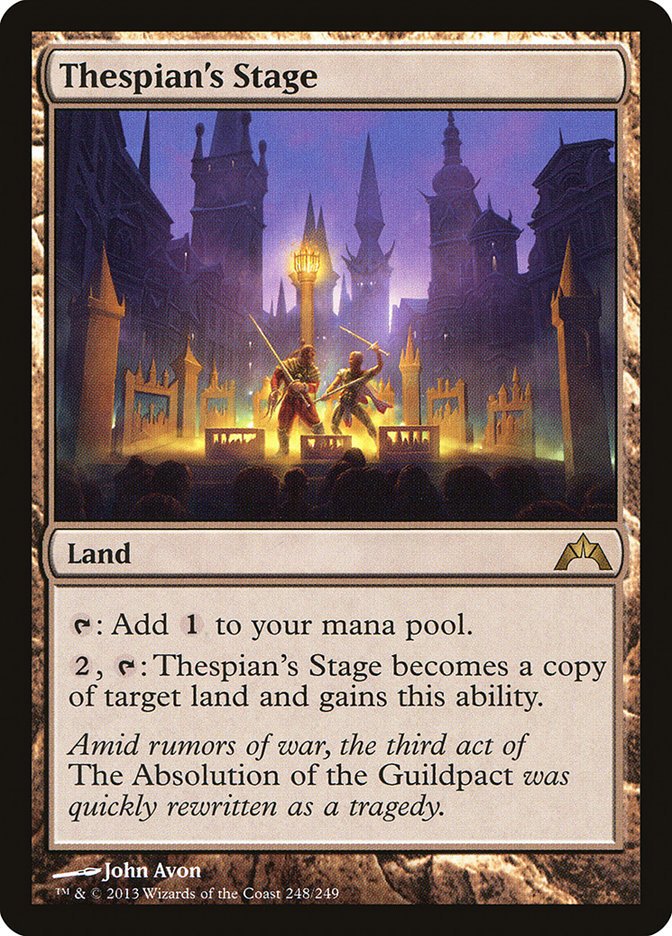
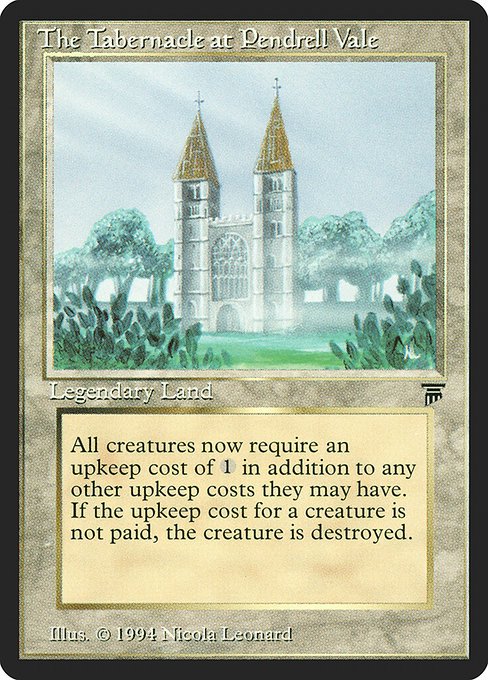
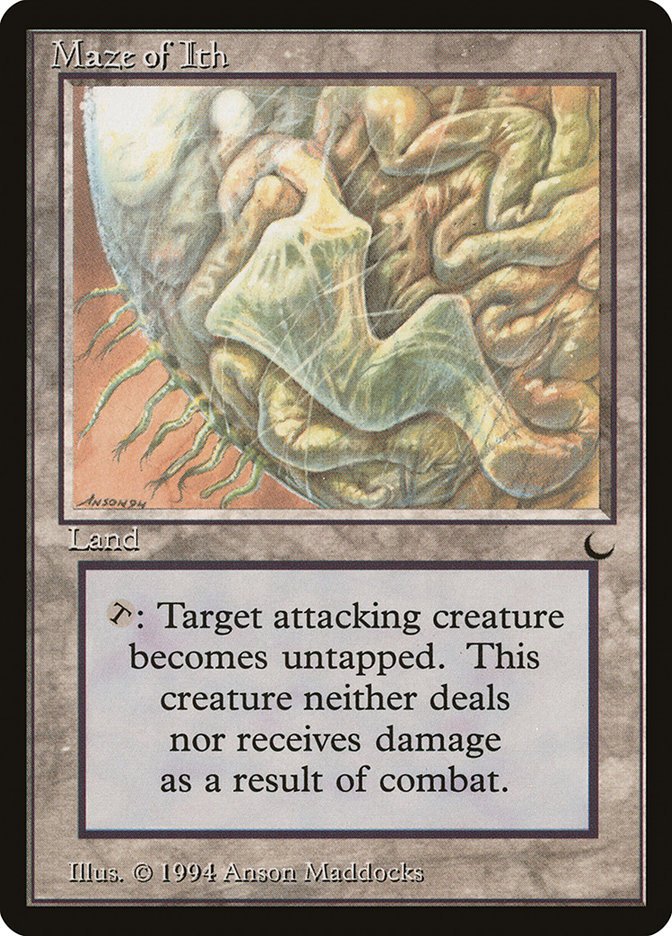
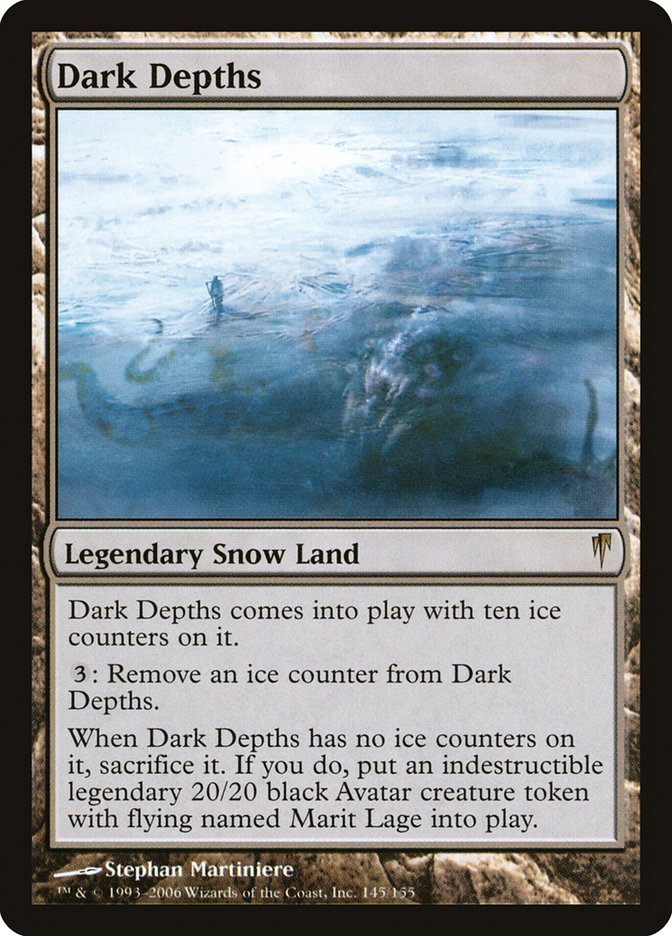
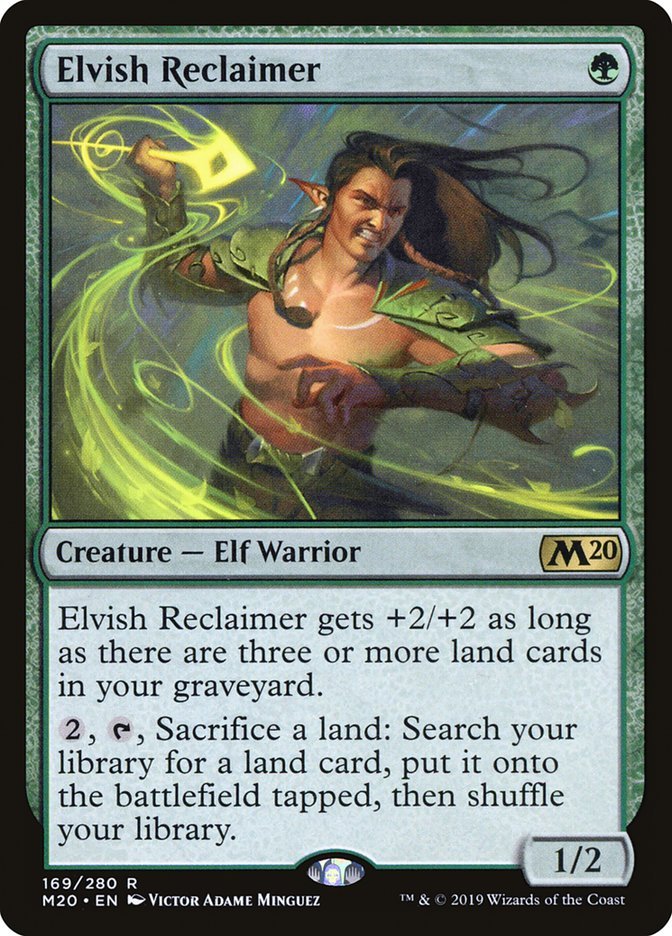
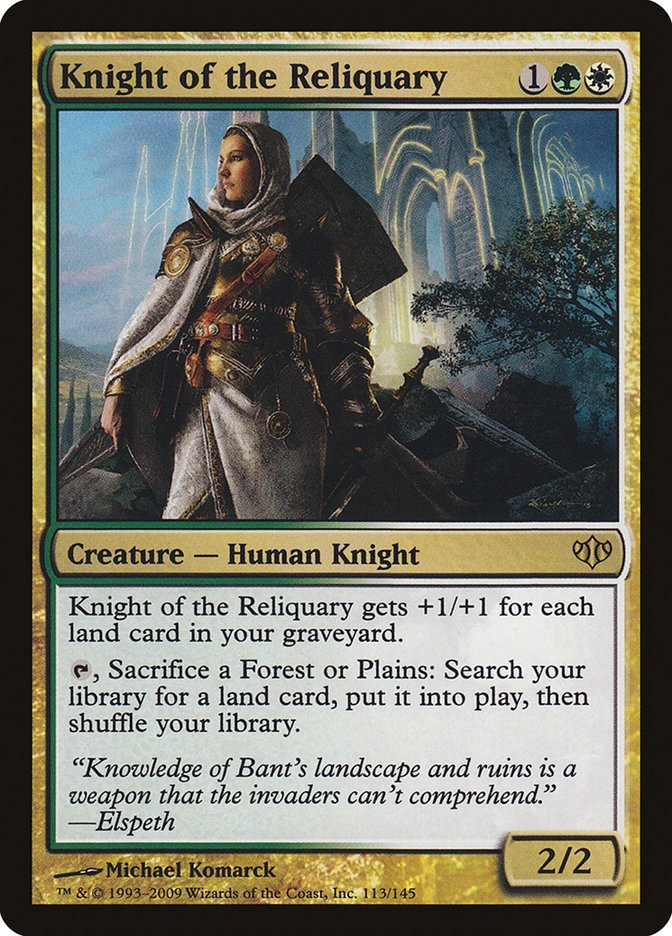
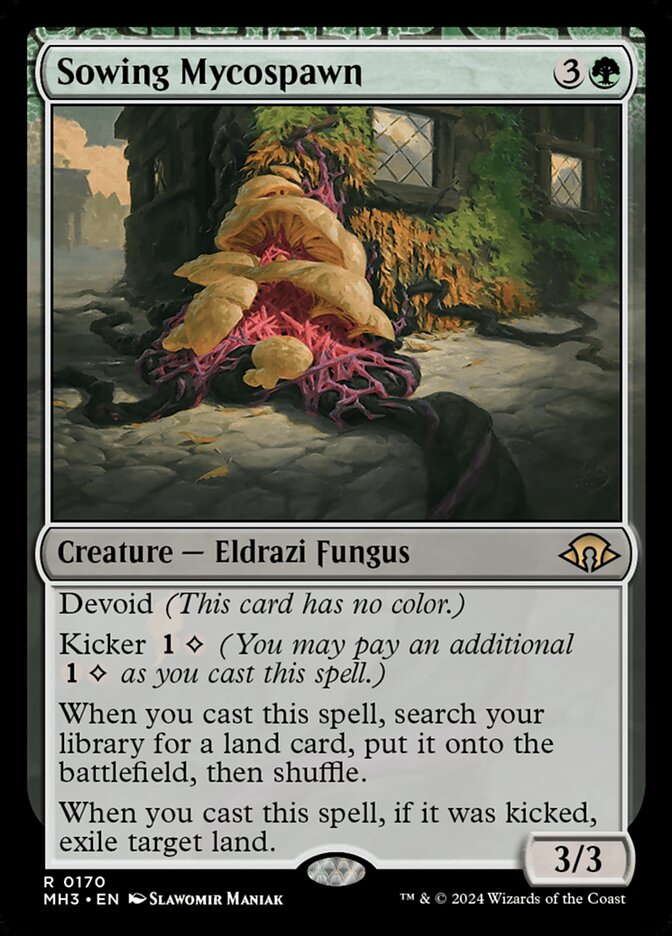
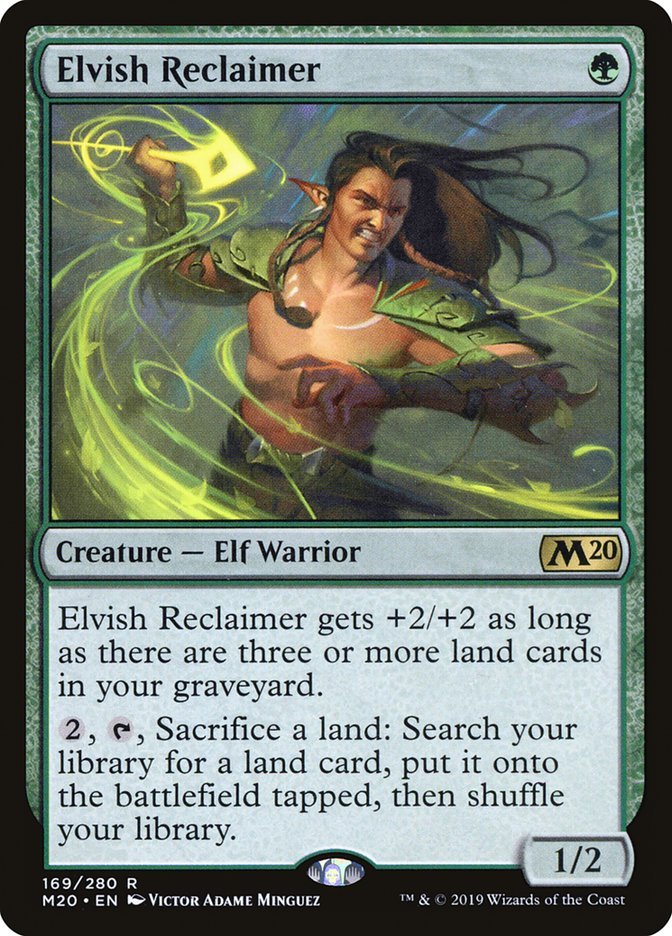
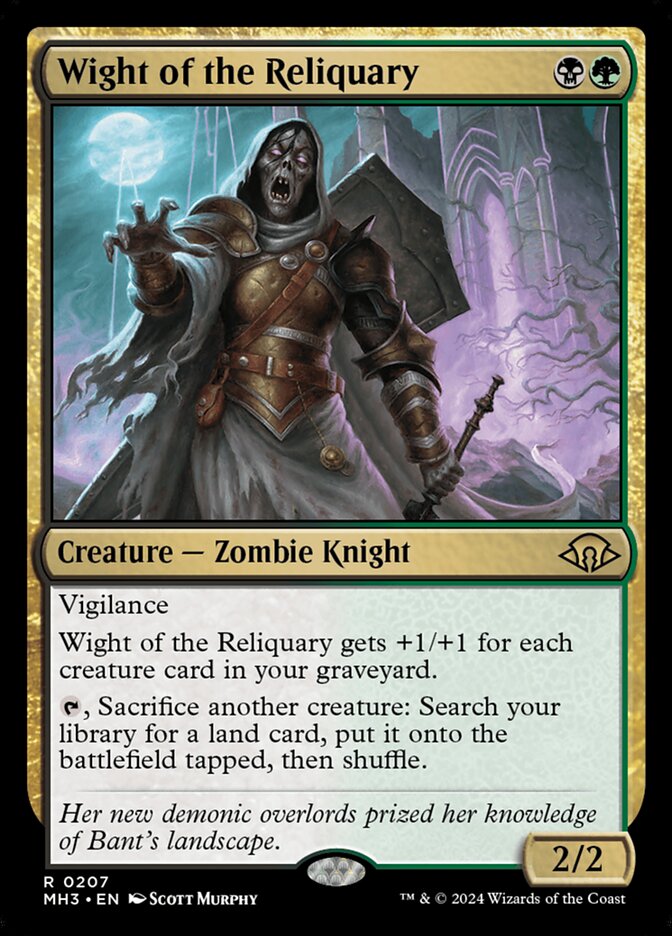
Due to the impact these lands can have on a game of Magic, most Lands decks will include numerous ways to tutor for them, including creatures such as Elvish Reclaimer, Knight of the Reliquary, Wight of the Reliquary, and Sowing Mycospawn, or spells such as Crop Rotation or Sylvan Scrying. Land-based synergies such as landfall effects are also a key component to many lists.
Recursive elements and ways to break parity
As lands are the fundamental resource these decks are looking to exploit, Lands decks naturally incorporate ways to generate additional land drops (e.g. Fastbond and Exploration), recur and replay lands (e.g. Life from the Loam and Crucible of Worlds), and deny your opponent access to this resource (e.g. Strip Mine and Wasteland). When these elements are combined to form a “strip lock”, your opponent is effectively locked out of playing the game.
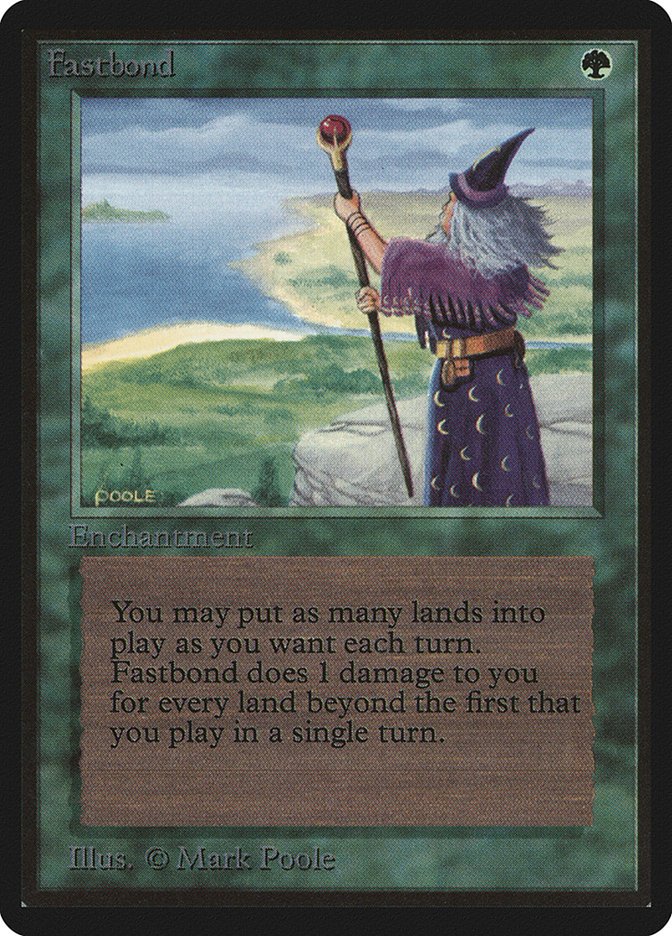
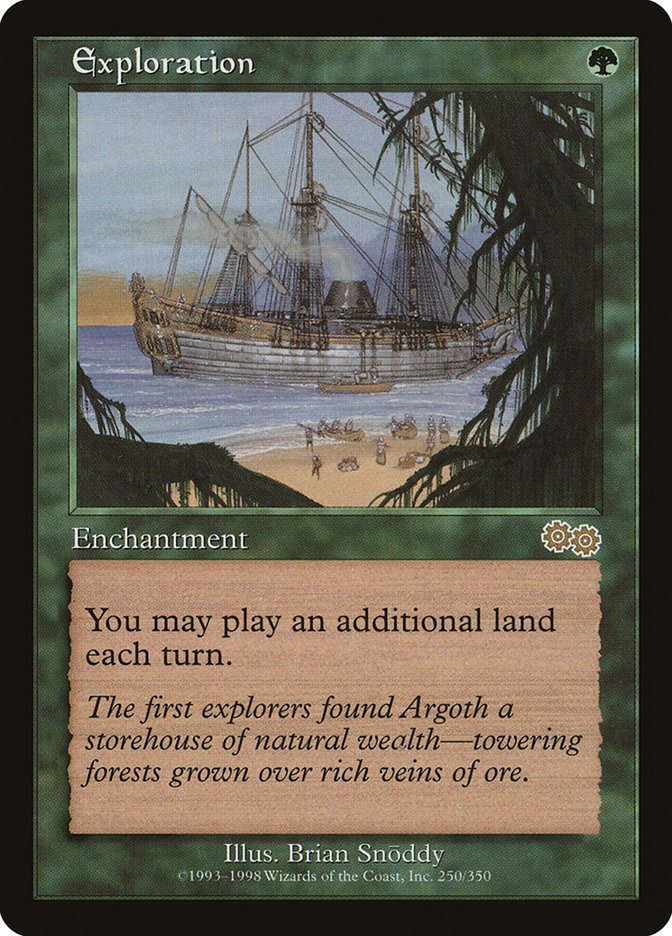
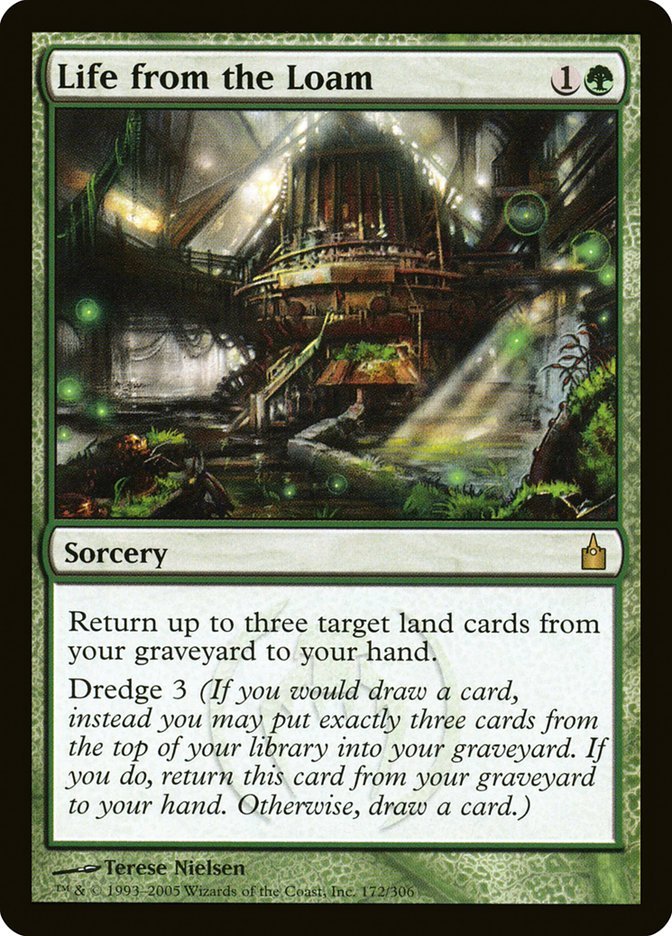
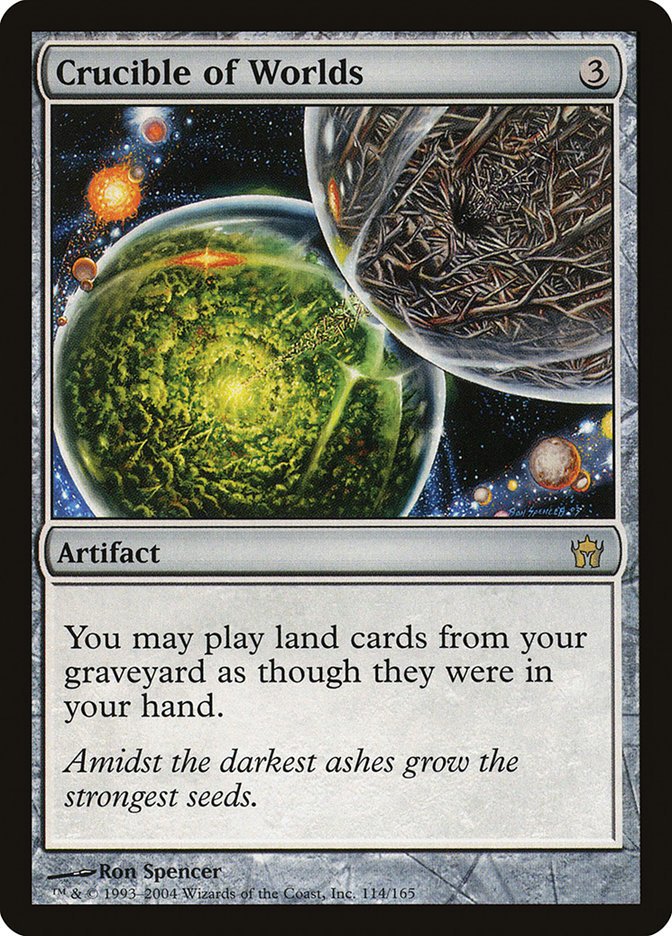
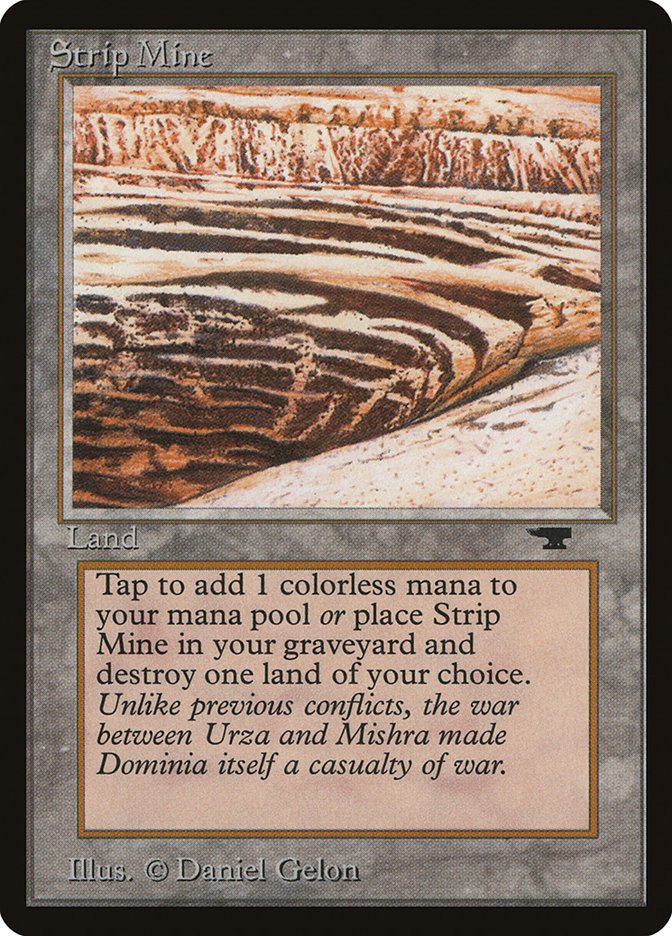
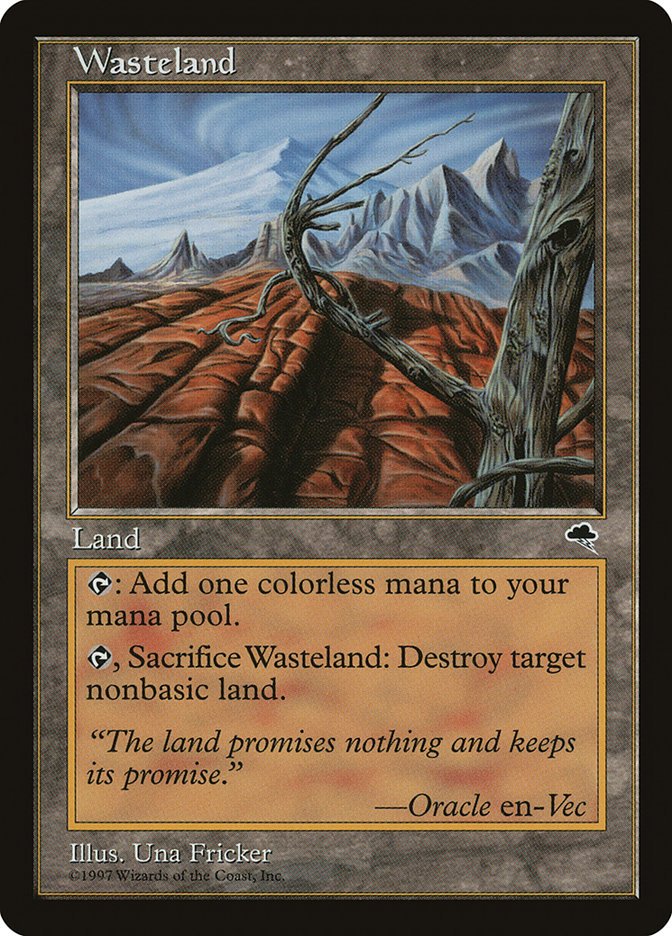
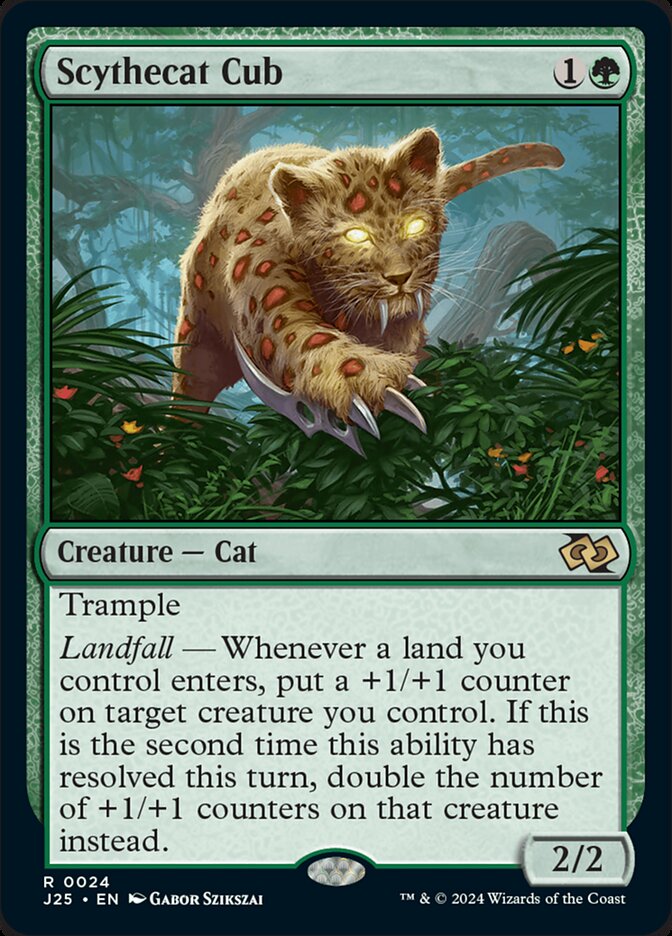
However, assembling a full “lock” is not always necessary. Simply combining two of these elements is often enough to pull you ahead on resources. Combining these and other aspects of the list can also prove formidable. For example, a Scythecat Cub combined with a recursive element for your fetchland (i.e. a Crucible effect) can provide a very healthy clock.
Why play Lands?
Because you’re a legend. Next question.
More seriously, Lands offers a unique piloting experience and strongly rewards deep format knowledge and tight, technical play. The “toolbox” nature of the deck creates interesting play patterns and allows the pilot to tailor their gameplan towards each match up, pivoting between aggressive starts, midrange value accumulation, prison/controlling grinds, and fast combo attempts.
Strengths
- Difficult to interact with: the deck operates on an axis that many are unprepared to attack directly. Once you put a Maze of Ith (or any key land) into play, it’s generally going to be there for the rest of the game.
- Strong into “fair” creature decks : simply let the veil of a fair game of Magic continue until it’s time to pull away the curtain and reveal the prison you have built around them (a “Strip lock” stops your opponent from casting spells, but adding in a Tabernacle to remove creatures).
- Resilient against blue-based decks: you can’t counter an Urza’s Saga and while you can counter a Life from the Loam, it’s generally a losing play (we don’t talk about Force of Negation in these parts).
- Adaptable: the toolbox nature of the deck means you often have a tutor to find whichever “silver bullet” is most suited to the match up. Reanimator? Tutor up your Bojuka Bog. Goblins? Nice creatures, here’s a Tabernacle. Control? Deal with this recurring Urza’s Saga.
- Inevitable: The recursive elements of the deck mean that you can out-grind most matchups by repeatedly deploying lands such as Strip Mine/Wasteland, Urza’s Saga, or Dark Depths and Thespian’s Stage.
Weaknesses
- It’s 2025 and you’re playing Lands: the prison/control strategy has a diminishing window to establish in the modern game, as each individual threat provides significant value from entering or remaining on the battlefield and can typically end the game within a few turns of resolving.
- Weak into “unfair” decks looking to present a combo: the deck has limited ways to interact on the stack, so you are typically vulnerable to fast combos.
- Susceptible to common hate pieces: a core aspect of your gameplan (recursive elements that generate value from the graveyard) is “hated out” by a healthy portion of most sideboards. Most decks are well equipped to bring in some key sideboard pieces in post-board games despite rarely considering their Lands match up.
- Less one-for-one power: as a synergy deck, you are reliant on your deck being greater than the sum of its parts. Most of your cards are individually less powerful than your opponents’.
History of the archetype
Lands has been a feature of 7 Point Highlander for well over a decade, with many pilots drawing inspiration from the Legacy archetype of the same name. For those unfamiliar with Legacy Lands, you can watch it achieve a flawless victory in the hands of Jarvis Yu at the Grand Prix Seattle-Tacoma on YouTube or visit the Pendrell Vale website to read a detailed overview of its development and history.
For Highlander specific content, you can listen to a 2018 deck tech for Abzan Lands from Lachlan “Loke” Saunders here.
Loke first picked up Lands in 2016 after the printing of The Gitrog Monster, taking it to an Eternal Masters event in which Jack Williams managed to make the top 8 with a Jund Lands list that is now only six points! Loke was inspired to build an engine-based combo deck splashing blue for Trade Routes and white for Knight of the Reliquary, plus a Swords to Plowshares to exile his own Gitrog to avoid decking once the combo was assembled.
There are also some historic gameplay videos floating about the internet, including this one from the 2017 Highlander National Championships (Quarter Finals) where Christopher Addie plays Jund Lands. There is also this 2023 video from Hareruya of Lands vs Shops (in Japanese).
Lands remains a popular archetype to this day — the 7PH Lands discord has over 100 members — and dedicated pilots continue to have some level of tournament success. I spoke to Dougal Warby, a popular Legacy streamer under the moniker @DougesOnTwitch about his decision to run Abzan Lands at the recent 2025 Mana Clash Singles event, where he recorded a 6W 2L result:
“I went with Abzan Lands as it’s a colour combination and a strategy I know well and enjoy playing. My goals for the Mana Clash were to finish matches knowing I took time each turn to play the most optimal lines, and with that thankfully winning followed. I think Lands wasn’t too badly positioned as there’s only so many ways to interact with them (Waste, Strip, Boseiju) and of couse the Moon effects (which can work in your favour thanks to DD coming into play with 0 counters). If I was to play a creature heavy deck, I know there’s a ton more removal and interaction to worry about.”
Golgari Lands (my current build)
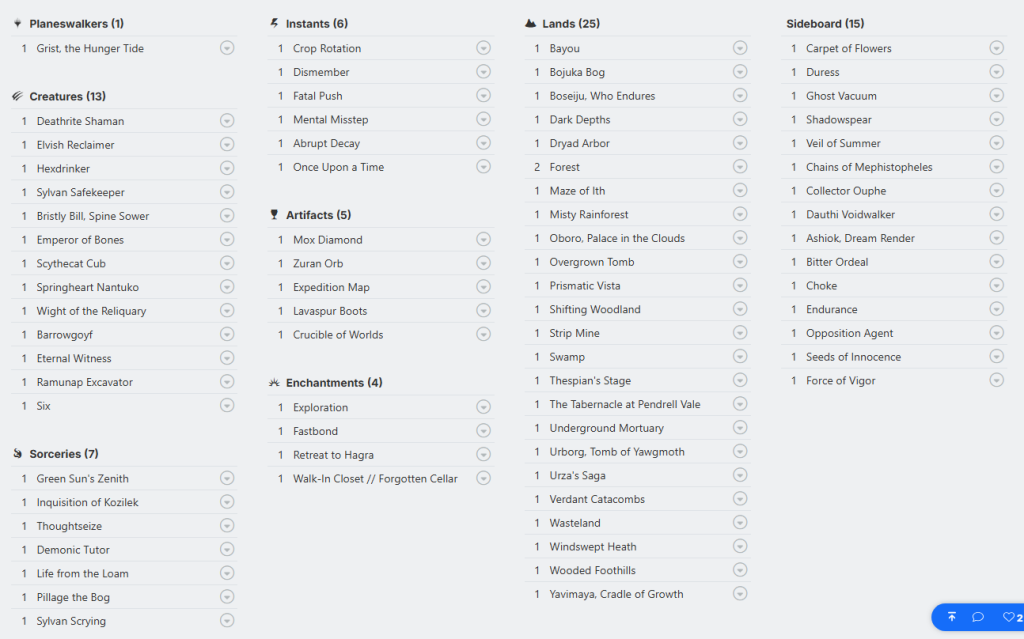
https://moxfield.com/decks/LqdqyxOAiUyx0BBBT45qkQ
After a few years of playing Highlander and switching between Lands and various other decks on a weekly basis, I decided to focus on refining my Lands list to compete at the highest level possible. I tested multiple colour combinations from mono green to WUBRG and began to evaluate what makes an effective Lands deck function. The resulting list is Golgari as I have found it to be the most consistent build that retains all of the tools required to advance your gameplan and respect your weaknesses across both the maindeck and sideboard.
The three main actions that I have found useful in deckbuilding have been:
Limiting the deck to only two colours
Despite there being a number of powerful “Lands cards” across all five colours, I have found that limiting the list to only two colours offers multiple benefits. Firstly and somewhat ironically, Lands decks typically have poor manabases due to the high number of utility lands that tap for colourless mana and spell lands that do not produce mana at all. I conceptualise this as the “X + 1 rule”, meaning that your manabase should be thought of as “X + 1” colours (where colourless is the additional colour). Being in only two colours increases the consistency at which you will see keepable hands and allows you to play several basics to protect yourself against Blood Moon effects without sacrificing your ability to play on curve. We’re here to give the opponent mana issues, not ourselves!
I believe that respecting the Moon is particularly important for two reasons: (i) Dedicated Blood Moon decks are often control-oriented, which Lands has a really strong game against if you can make sure you’re not immediately dead to the Moon effects, and (ii) the archetype is a fairly common entry point to the format for newer players due to its relatively inexpensive price and these pilots may not have much experience playing against Lands. In a 6 or 7 round tournament you can’t afford to drop rounds that you “should” win based on skill level and/or format experience just because they had the early Moon effect. Build accordingly.
Keeping a low average mana value
This is broadly just a requirement of Magic in 2025, but in my opinion it is especially important for Lands decks. While it is easy to think that Lands decks = ramping = you can play 5 and 6 drop creatures that win the game (e.g. Titania, Protector of Argoth or Primeval Titan), in reality there is a disconnect between this strategy and how Lands decks typically function. This is because your most powerful utility lands are ideally used for purposes other than mana production, such as Urza’s Saga or Strip Mine/Wasteland, while your spell lands do not produce mana at all, such as Maze of Ith or The Tabernacle at Pendrell Vale. Having spells that are cheap allows you to deploy your most powerful lands earlier and in more situations.
You also have a more potent and resilient long-game than most decks, so maximising the consistency of your early game is more important than having a late game haymaker. Three mana is a fairly natural cap for your spells as it is likely that once you stick a Crucible of Worlds effect, recurring Strip Mine is your best use of land drops moving forward. It also cannot be overstated how much more impactful it is to Strip Mine your opponent while you are ahead on board, compared to a neutral position or when behind.
Having an impactful creature suite that scales well
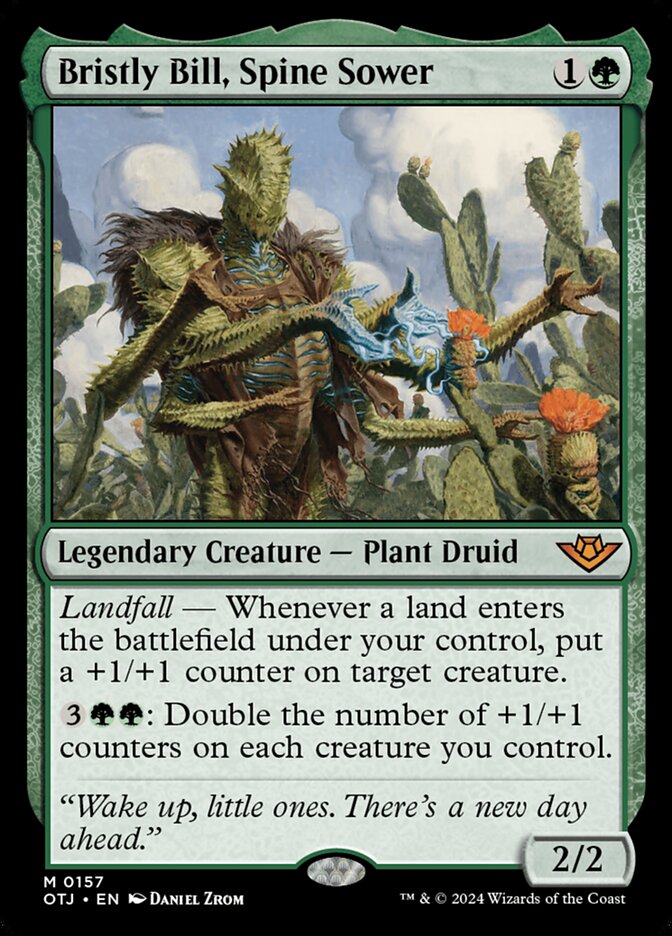
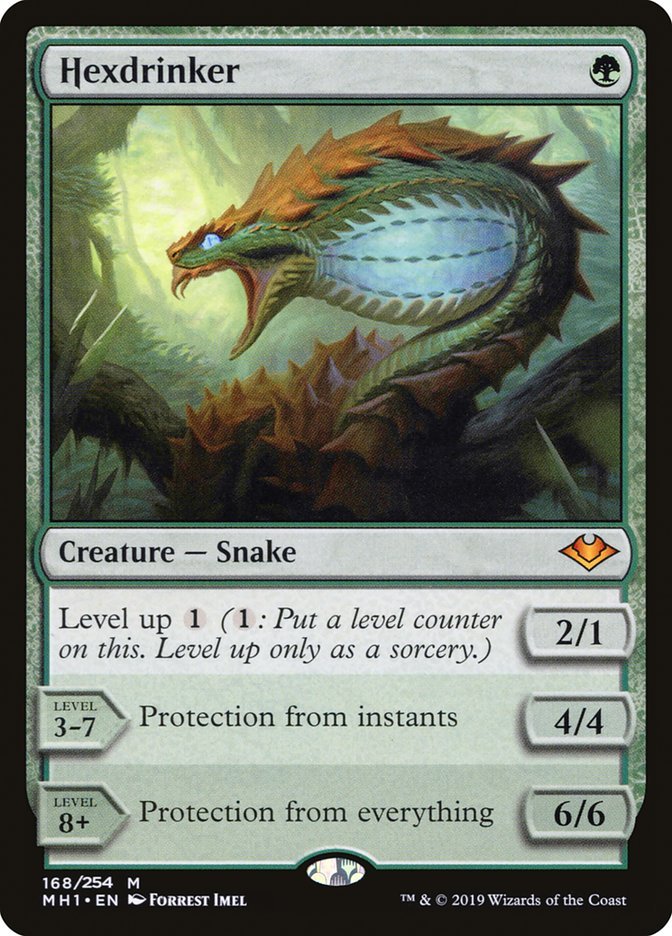
Creatures that naturally grow in size as the game progresses, such as Elvish Reclaimer, Scythecat Cub, Bristly Bill, Spine Sower, Wight of the Reliquary, and Barrowgoyf, are particularly important as they allow you to maintain control of the board (or at least not fall too far behind) while you assemble your value-generating engines and lock pieces. They also provide a meaningful clock with which to pressure combo decks, thereby helping to shore up one of your worst match ups. Other “all in” additions such as Hexdrinker demand your opponents use their removal spells, thus freeing up your first Marit Lage token to get through unscathed. Using Sylvan Safekeeper to protect a large Scythecat Cub, a Hexdrinker as it levels, or a value-generating engine such as Six can also be a viable route to victory.

Gameplan/playstyle
Part of what makes Lands fun to play is that it has multiple different win conditions, so piloting the deck can often feel like a bit of a puzzle: which pieces do you have and how can you get the others? Opening hands tend to lend themselves towards a specific plan, with some wanting you to settle into a controlling grind while others enable explosive starts or even turn one or two combo kills. Notably, despite running only one “mana dork” in Deathrite Shaman, the deck has multiple ways to cast a three mana threat or engine ahead of curve: Deathrite Shaman, Mox Diamond, Exploration, Fastbond, and Green Sun’s Zenith for X=0 to tutor up Dryad Arbor.
In general, this build wants to play to the board in the early turns and exert meaningful pressure while assembling either a resource denial engine (e.g. a Crucible of Worlds effect plus a Strip Mine) or building towards a combo kill. Unless your opening hand dictates a specific pathway, you should aim to spend the first 2-3 turns of the game developing threats and interacting with your opponent through discard and removal spells. This style of Lands deck tends to want to keep games fairly “low resource” and is happy to operate off 2-3 mana indefinitely if it means your opponent is forced to do the same.
Thanks to the toolbox nature of the Lands suite, you can tailor your plan towards the opponent once you have an idea of the match up. This could involve holding up an answer to their gameplan or combo (e.g. leaving one green mana open to cast Crop Rotation for Bojuka Bog against Reanimator or Underworld Breach decks) or devoting resources to a fast Marit Lage if you know they have limited maindeck answers (e.g. Goblins generally has zero, while Jund often only has one, if any).
The deck also has two main combo kills; the traditional Fastbond + Crucible of Worlds + Zuran Orb combo to gain infinite life and generate infinite mana, as well as the Fastbond + Retreat to Hagra + Oboro, Palace in the Clouds combo that simply kills your opponent. Both can be assembled as early as turn one, meaning that sometimes you can out-combo the combo decks! There is also the Dark Depths + Thespian’s Stage “combo” to summon Marit Lage, which can kill as early as turn two (or theoretically turn one on the draw with the perfect eight).
Because Lands has so many complex decision trees, understanding the deck is critical. It’s not uncommon that seemingly minor decisions such as which land to destroy with Strip Mine or when to fire off your Crop Rotation are the difference between winning and losing. This is important to note as while the basics of the deck are easy to pick up and go — play creatures, attack, play value engines, grind — the minutiae such as which lands to tutor for in given matchups (and when) or the axis that you want to attack specific decks on can take a while to develop a feel for. Don’t be disheartened if you have to lose games until you win!
Other popular builds
There are practically infinite viable builds of Lands and describing what they each do would be nearly impossible. However here is an incomplete list of builds that people have been jamming in 2025.
Gruul Lands by Rohan Beviss
Simic Lands by Noelle Brial-Allen
Abzan Lands by Dougal Warby
Abzan Ponza Combo by Harry Franks
Assault Loam by Harry Franks
Jund Lands by Jack Culleton
Naya Lands by Voltie
Temur Lands by Conor John
Sultai Lands by Harry Franks
Oath Lands by Rohan Beviss
Nadu Scales Landfall Stompy by Harry Franks
Yorion Landtress by Harry Franks
Creatureless Oath Lands by Harry Franks
4C Lands by Peter Ferman
4C Nadu Brightglass Lands by Harry Franks
4C “Pool Party Summer” Lands by Liam Minogue and Ben Hewitt
5C “Summer” Lands by Liam Minogue and Ben Hewitt
Brightglass Gearhulk Combo by Wan Chin Lee
Notable recent tournament results
3rd/4th out of 50 players at the Tabernacle Games Win-A-Crypt, December 2024 – Golgari Lands by William La Marca
17th out of 180 players at CanCon Nationals, January 2025 – Golgari Lands by William La Marca
18th out of 160 players at Mana Clash 2025, April 2025 – Abzan Lands by Dougal Warby
5th/8th out of 32 players in the Canberra League #1, September 2023 – 4C Lands by Peter Ferman
5th/8th out of 32 players in the Canberra League #3, May 2025 – Temur Lands by Conor John
9th out of 32 players in the Canberra League #3, May 2025 – Oath Lands by Rohan Beviss
Conclusion
It’s 2025 and Lands decks are said to be too old, too weak, and too slow to compete. Yet meta decks come and go, while Lands endures. So, from the Lands discord to the wider 7PH community, please accept the following message of our intent.
Acknowledgments
A big thanks to Loke and Douges for offering their thoughts on Lands in 7PH. I’m also grateful to Voltie for giving me the opportunity to write about Lands and for letting me pester her about niche card evaluations for a tier 3 deck. Editor’s Note: it’s not as bad as he makes it out to be. But it’s pretty bad.

William “Billy” La Marca (left) started playing Magic in 2004 with the original Kamigawa block before quitting in 2008 because teenagers are too cool for cardboard. He started playing again in 2019 during his doctoral studies after determining he was, in fact, not cool.
He enjoys playing Lands (and occasionally other decks) in 7PH and Legacy as well as playing limited formats, particularly Vintage Cube. He has no notable achievements (Magic or otherwise).